What happened
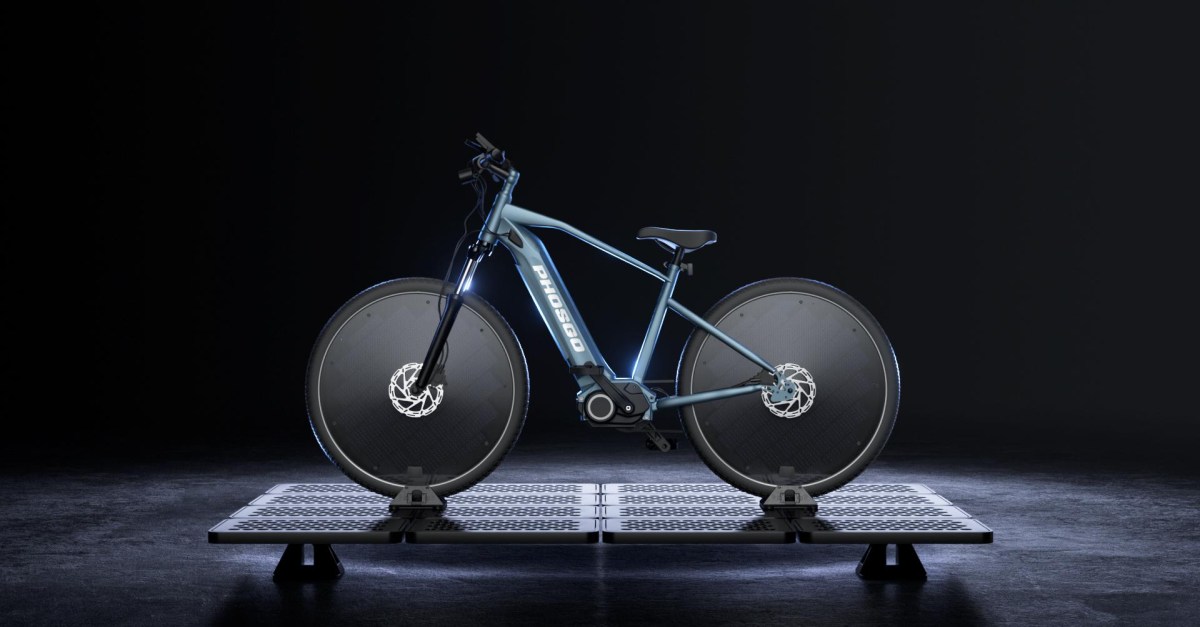
The Phosgo Go5 has emerged as a solar-powered electric bike that aims to tackle the common concern of range anxiety for e-bike users. This innovative product is marketed as the first artificial intelligence solar e-bike, but it is being launched through a crowdfunding campaign by a relatively unknown Chinese brand. While the concept sounds appealing, there are numerous concerns surrounding the company's transparency and the feasibility of the technology.
Why it matters
For consumers looking for sustainable transportation options, a solar e-bike could represent a significant advancement. If successful, the Phosgo Go5 could reduce reliance on charging stations and offer an environmentally friendly alternative to traditional electric bikes. However, the potential for it to be poorly designed or manufactured raises questions about its viability and longevity in the market.
Context
The solar e-bike concept isn't entirely new, but the Phosgo Go5 claims to integrate AI capabilities, which could enhance user experience. The bike is a product of Phosgo, a joint venture between two companies that specialize in solar energy and technology. However, the lack of transparency about the companies involved and the credentials of the technology's developers raises red flags. The involvement of a generic email address in communications also suggests a lack of professionalism.
What it means
While the Phosgo Go5 presents an intriguing idea in the realm of green transportation, potential buyers should approach with caution. The combination of ambitious claims, the unproven status of the technology, and the company's obscure background could lead to disappointment. Until more information and user feedback become available, it may be wise to wait before investing in this solar e-bike. The promise of solar power in cycling is exciting, but the reality may not yet be ready for consumers.