What Happened
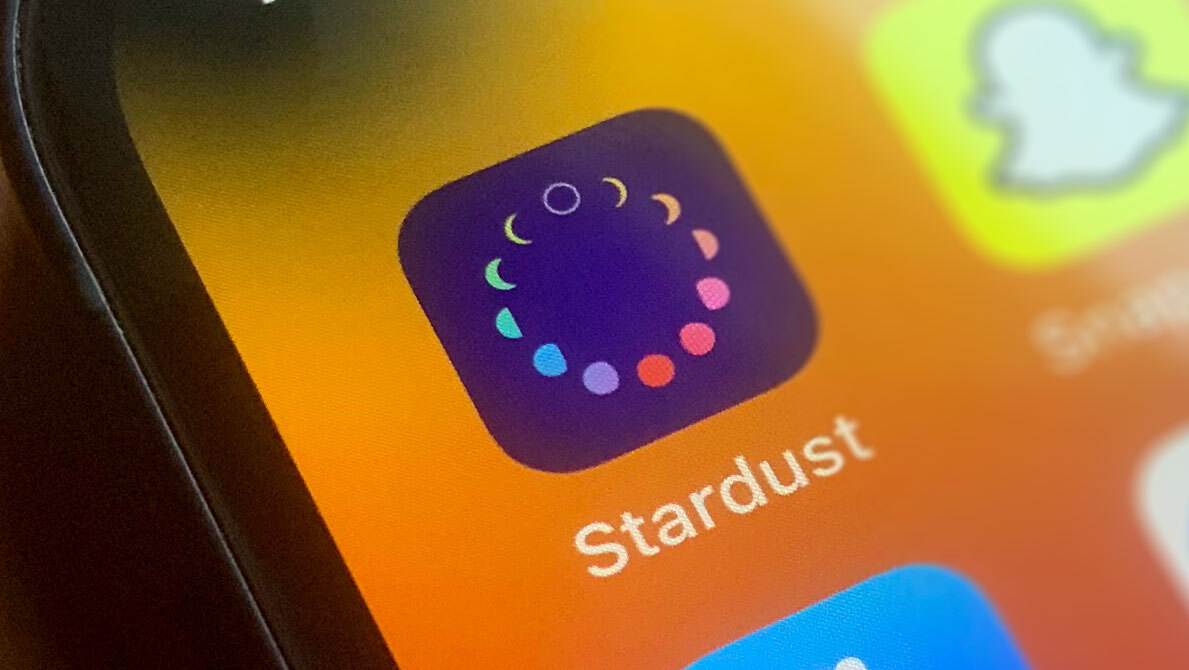
Recent research uncovered that some period tracker apps may not be as private as users believe. While one app was praised for its clean data practices, another was found to be sharing sensitive health information with an analytics firm. This disparity highlights significant privacy concerns in the health app industry.
Why It Matters
The sharing of health data without user consent can have serious implications. For users, it means that personal and sensitive information, such as menstrual cycles and reproductive health, could be accessed by third parties. This not only undermines trust in these applications but also raises concerns about the potential misuse of data, especially given the sensitive nature of the information.
Context
Period tracker apps have surged in popularity as more individuals seek to manage their health digitally. However, the lack of stringent regulations regarding data privacy means that users often have no clear idea of how their data is being used. The research from Mozilla serves as a wake-up call, emphasizing the need for greater transparency and stronger privacy protections in the app ecosystem.
What It Means
This situation calls for users to be more vigilant about the apps they choose. It is crucial to read privacy policies and understand what data is being collected and shared. Additionally, app developers may need to reassess their data handling practices to ensure they respect user privacy and build trust. As awareness grows, there may be increased demand for transparent and secure period tracking solutions that prioritize user privacy.