What happened
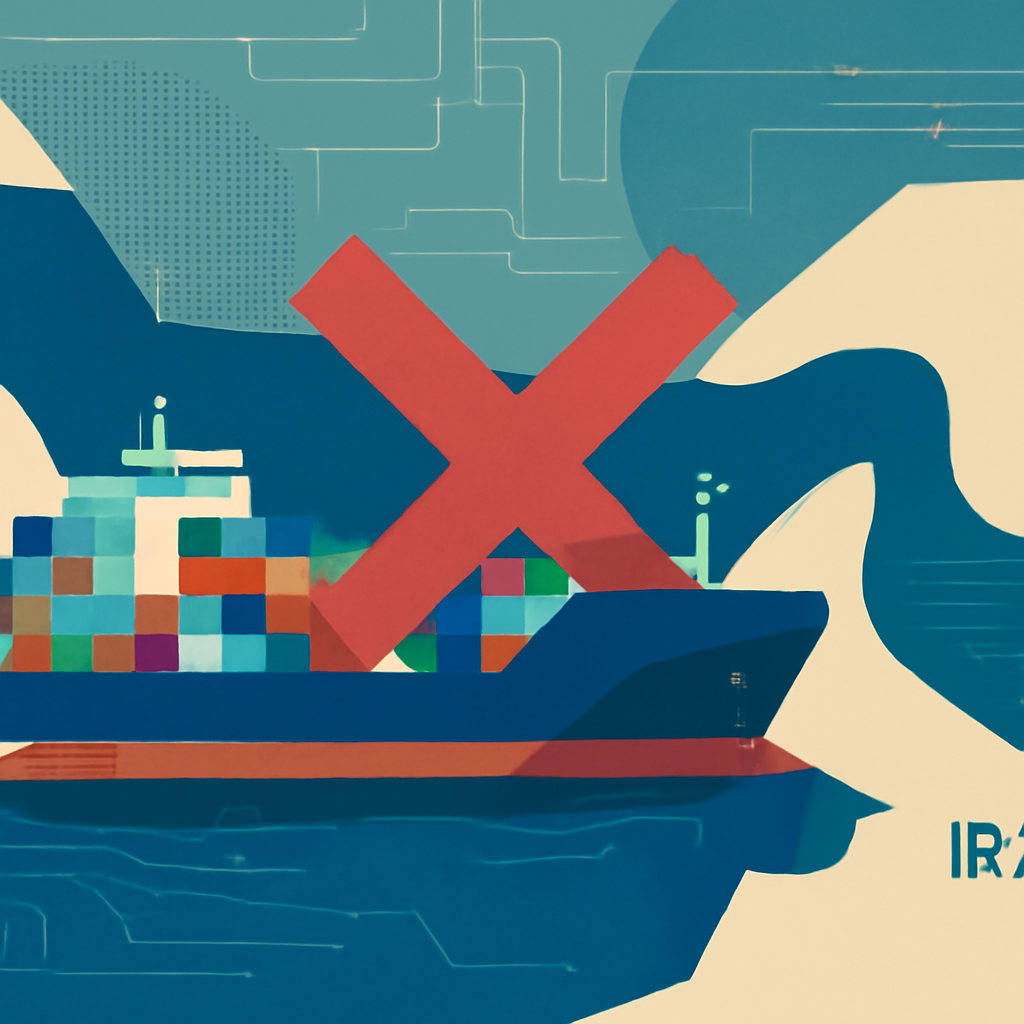
Iran has announced the closure of the Strait of Hormuz, a crucial waterway for global shipping, citing Israel's breach of a ceasefire agreement. This move comes ahead of anticipated US-Iran negotiations in Switzerland, which were initially scheduled to start but faced delays due to escalating conflict involving Hezbollah forces in Lebanon.
Why this matters
The Strait of Hormuz is a vital passage for oil and gas shipments, accounting for a significant portion of the world’s energy supply. A closure can lead to increased shipping costs, heightened tensions in the region, and potential disruptions in global oil markets. Investors are closely monitoring the situation as any escalation could impact oil prices and overall market stability.
Context
The closure announcement follows a week of market fluctuations driven by the anticipation of peace talks and the potential for a diplomatic resolution. Despite the optimism surrounding a possible peace deal, the recent violence has cast a shadow over these negotiations, indicating a volatile geopolitical landscape.
What this means
Iran's decision to shut down the Strait of Hormuz could lead to a spike in oil prices as shipping routes become compromised. Additionally, the ongoing conflict and uncertainty may result in a more severe market correction later this year, especially if the Federal Reserve decides to increase interest rates. Investors need to brace for potential volatility as the situation develops and keep a close eye on the outcomes of the upcoming diplomatic talks.