What happened
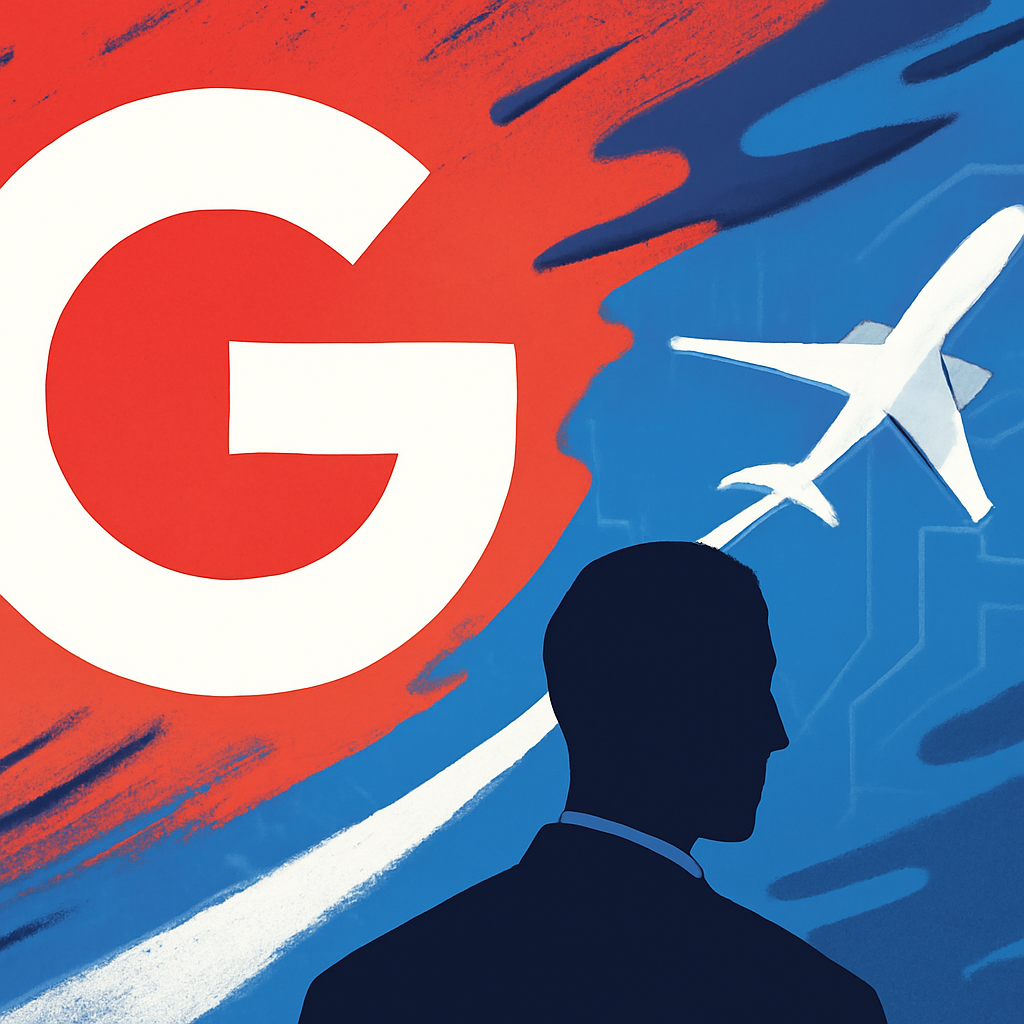
Two notable researchers from Google, Noam Shazeer and John Jumper, are making headlines with their recent departures to rival companies OpenAI and Anthropic, respectively. Shazeer, who played a crucial role in the development of foundational AI technologies, announced his move last Wednesday. Jumper, a Nobel Prize-winning scientist and Vice President at DeepMind, followed suit just two days later. This exodus of top talent is sparking speculation about Google's competitiveness in the fast-evolving AI landscape.
Why this matters
The loss of these key figures is significant as it reflects broader concerns regarding Google's ability to keep pace with its competitors. Shazeer and Jumper's decisions to join companies that have made substantial advancements in AI capabilities suggest that they may not have confidence in Google's strategy or future success in this sector. The perception is that OpenAI and Anthropic have accelerated their development cycles and released more effective AI models compared to Google, which has struggled to maintain momentum.
Context
Historically, Google has been a major player in the AI field, with innovations stemming from its extensive resources and research initiatives. However, the tech giant has faced criticism for being slow to act compared to nimble competitors. The AI race has intensified dramatically since late 2022, with OpenAI and Anthropic launching a series of successful models that have gained popularity among developers. Meanwhile, Google’s recent Gemini models have not captured market favor as expected, leading to a perception that the company is lagging behind.
What this means
The departures of Shazeer and Jumper may indicate a deeper issue within Google’s AI division. These moves could further erode trust among developers and investors regarding Google’s competency in AI. The situation raises critical questions about the company’s ability to innovate and respond swiftly to market demands. As OpenAI and Anthropic continue to push the envelope, Google needs to reevaluate its approach and prioritize product-focused development to regain its standing in the AI industry. Without significant changes, the risk of falling behind could become a reality for the tech giant.