What Happened
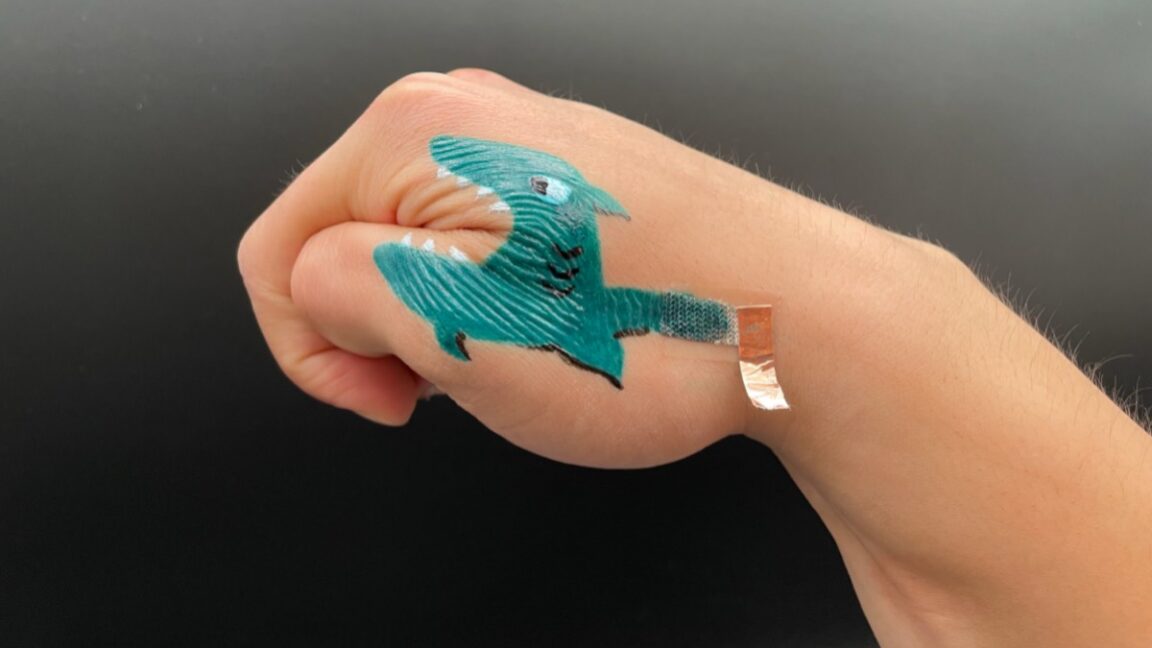
Researchers at Pennsylvania State University have created an innovative conductive ink that can be directly painted onto the skin, allowing for colorful and custom designs. Once dried, this ink functions as a biosensor, enabling effective biomonitoring without the need for traditional adhesive electrodes.
Why It Matters
This development could significantly change the landscape of wearable technology. Traditional e-tattoos, although effective, face challenges such as poor adhesion on curved or hairy surfaces and the need for specific electrode placements. The new paintable e-tattoos overcome these limitations, offering a more versatile and user-friendly option for continuous health monitoring.
Context
E-tattoos have been a notable advancement in wearable technology over the past decade, enabling non-invasive monitoring of various health metrics. Earlier versions were primarily limited by their physical attributes, including their inability to conform well to different skin types and surface contours. Previous innovations, such as special conductive inks for scalp applications, paved the way for mobile EEG monitoring, but the latest development allows for a more widespread and artistic application.
What It Means
The ability to paint biosensors onto the skin could democratize health monitoring, making it more accessible and customizable. Users can design their own e-tattoos to suit their personal style while still receiving accurate health data. This breakthrough not only enhances user experience but also opens up new possibilities for monitoring health metrics in diverse environments, potentially expanding the applications of wearable technology beyond clinical settings.