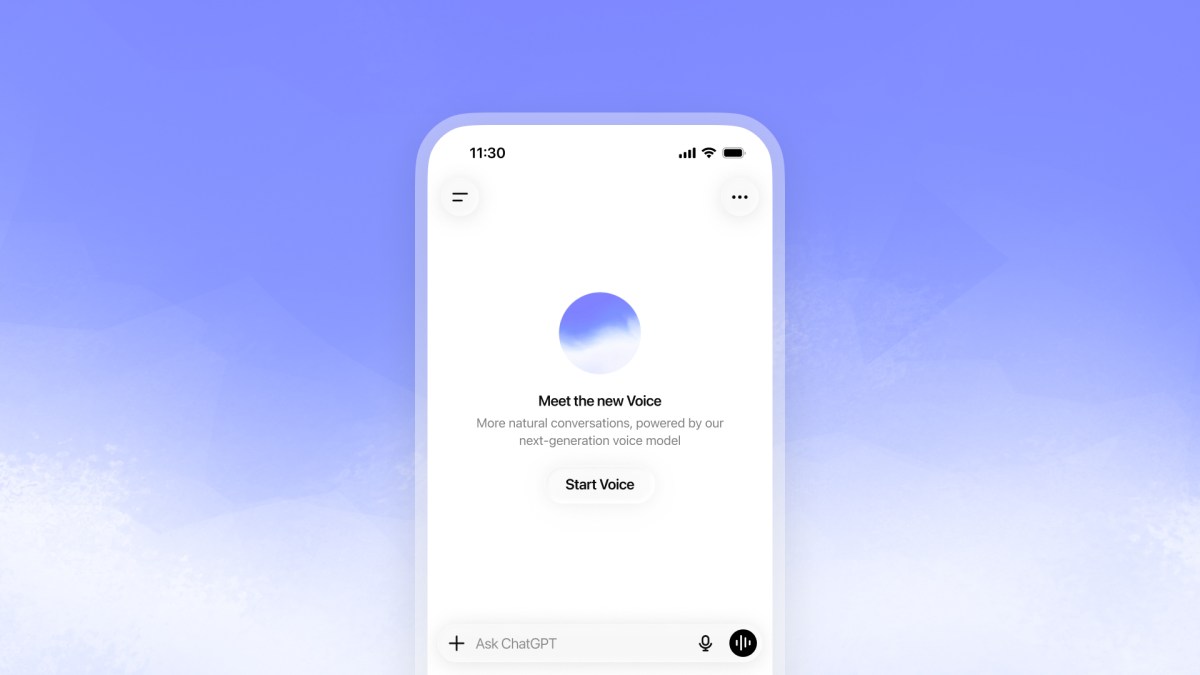
What Happened
OpenAI has introduced advanced voice models that enable simultaneous speaking and listening. This innovative feature is particularly significant for applications such as live translation and interactive voice applications, as it allows for a more fluid exchange of information in real-time.
Why It Matters
The ability to converse naturally, where both parties can speak and listen simultaneously, brings a new level of interactivity to technology. For users, this means a more engaging experience when using voice assistants or translation devices. Businesses that rely on communication tools will find this technology invaluable, potentially enhancing customer service and collaboration.
Context
Historically, voice technology has focused on either speaking or listening at any given time, leading to pauses and delays in interactions. OpenAI's new models represent a significant leap forward in natural language processing and machine learning, allowing for more human-like interactions. This development reflects ongoing trends in AI, emphasizing conversational AI's role in daily life.
What It Means
The introduction of these voice models could pave the way for more advanced applications in various fields, including education, healthcare, and customer service. As these technologies become more widespread, we can expect to see improvements in the effectiveness and efficiency of communication tools, making them essential for businesses and individuals alike. Furthermore, this could lead to a broader acceptance of AI in daily conversations, breaking down language barriers and enhancing global communication.