What Happened
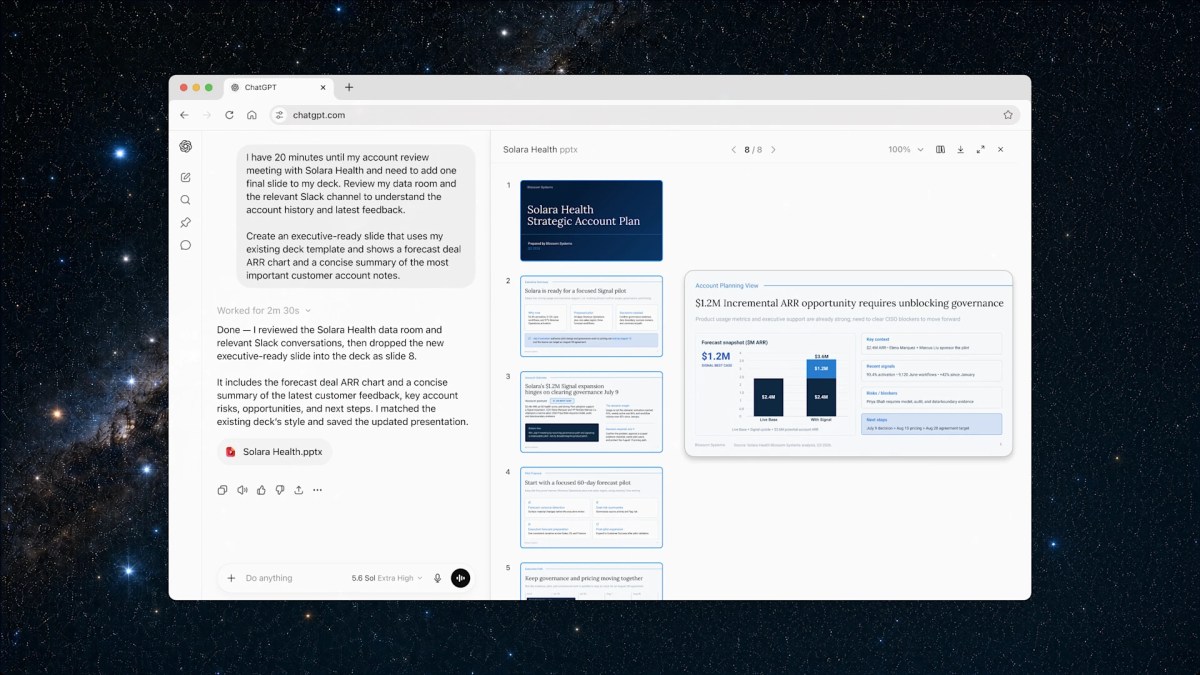
OpenAI has decided to shut down Atlas, its AI-driven web browser, less than a year after its launch. Despite this closure, the company is not abandoning its ambitions in the browsing space. Instead, it will integrate some of the key features from Atlas into its desktop application and a Chrome extension.
Why It Matters
The discontinuation of Atlas indicates a strategic pivot for OpenAI as it seeks to refine its AI tools and adapt to user needs. By moving agentic browsing capabilities to other platforms, the company aims to maintain its competitive edge in the AI landscape and enhance the user experience across its existing products. This shift could potentially streamline workflows for users who depend on AI assistance for browsing tasks, making it even more accessible.
Context
When Atlas was launched, it was part of OpenAI's broader strategy to create more interactive and intelligent tools for web browsing. The initial promise of Atlas was to provide users with a more intuitive way to navigate the web, powered by advanced AI technologies. However, its brief existence suggests that the execution did not meet expectations, prompting OpenAI to reassess its approach to browser technology.
What It Means
The phasing out of Atlas could indicate that OpenAI is prioritizing the integration of AI features within more established platforms rather than developing standalone applications. This decision reflects a growing trend in tech where companies focus on enhancing existing services rather than introducing new, potentially risky products. Users can expect to see more sophisticated browsing features in OpenAI’s desktop app and Chrome extension, suggesting that the company is committed to evolving its capabilities in a more integrated manner.