What Happened
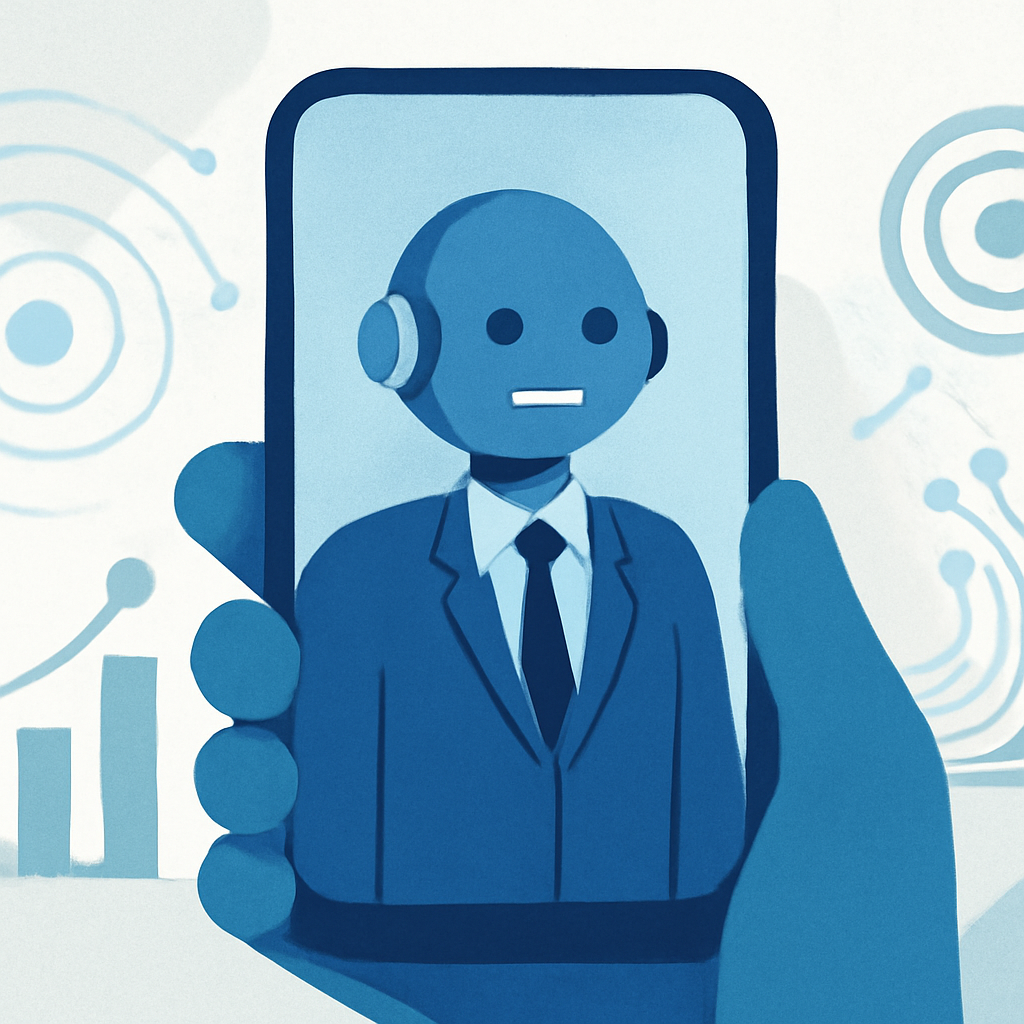
OpenAI is making significant strides in the mobile hardware space, planning to launch its own AI Agent Phone by the first half of 2027. This device is designed to operate without the traditional app-centric operating system, relying instead on AI agents that manage tasks seamlessly in the background.
Why It Matters
The introduction of an AI-first phone could change how users interact with technology. By eliminating the need for apps, OpenAI aims to streamline user experience and potentially capture a substantial market share, with projections of around 30 million units sold in the first two years after launch. This innovation poses a direct challenge to established players like Apple and Samsung, forcing them to reconsider their strategies and offerings.
Context
Historically, smartphones have been dominated by app ecosystems, with companies like Apple and Google setting the standard. However, advancements in AI have opened doors for new approaches. OpenAI's vision reflects a shift towards integrating AI more deeply into daily tasks, moving away from the conventional app model that has prevailed for over a decade.
What It Means
If OpenAI successfully launches its AI Agent Phone, it could pave the way for a new genre of smartphones, where the focus is on intelligent assistance rather than standalone applications. This could lead to enhanced productivity and user engagement, but it also raises questions about viability in a market heavily influenced by established tech giants. The success of such a device will depend on its acceptance among consumers and its ability to truly deliver on the promise of an AI-driven experience.