What Happened
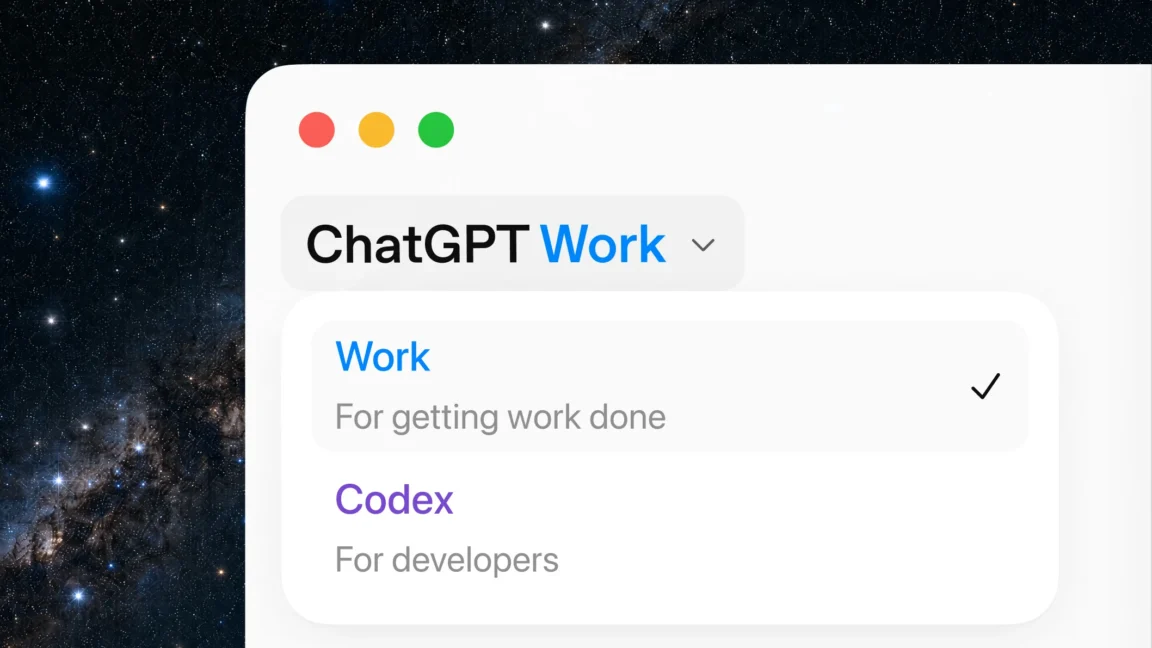
OpenAI has unveiled ChatGPT Work, a new tool designed to enhance productivity by managing tasks over extended periods. Unlike previous iterations like the 'Agent Mode' in the Atlas browser, which struggled with ongoing tasks, this latest release promises to stay engaged with projects for hours. Users are encouraged to test its capabilities by assigning familiar tasks, such as budget analysis or preparing for sales meetings.
Why It Matters
The introduction of ChatGPT Work marks a significant step in automating workflows, potentially reshaping how users approach their daily tasks. By enabling the automation of entire processes—from customer research to creating tailored marketing materials—the tool aims to streamline operations and reduce the time spent on repetitive tasks. Additionally, its ability to wait for user approval before executing major actions ensures that control remains with the user, addressing common concerns about AI autonomy.
Context
Historically, AI tools have faced limitations in managing long-term tasks. OpenAI's previous versions, including the Agent Mode, were often criticized for their inability to maintain focus over extended periods. The development of ChatGPT Work appears to be a direct response to these challenges, integrating features that allow for continuous task engagement and automation while keeping users informed and in control.
What It Means
The launch of ChatGPT Work could signify a shift in how organizations utilize AI in their day-to-day operations. With features like Scheduled Tasks, reminiscent of cron jobs, users can automate routine tasks based on specific schedules or events, freeing up time for more strategic work. As businesses increasingly seek efficiency, tools like ChatGPT Work may become essential for optimizing workflows and enhancing overall productivity.