What Happened
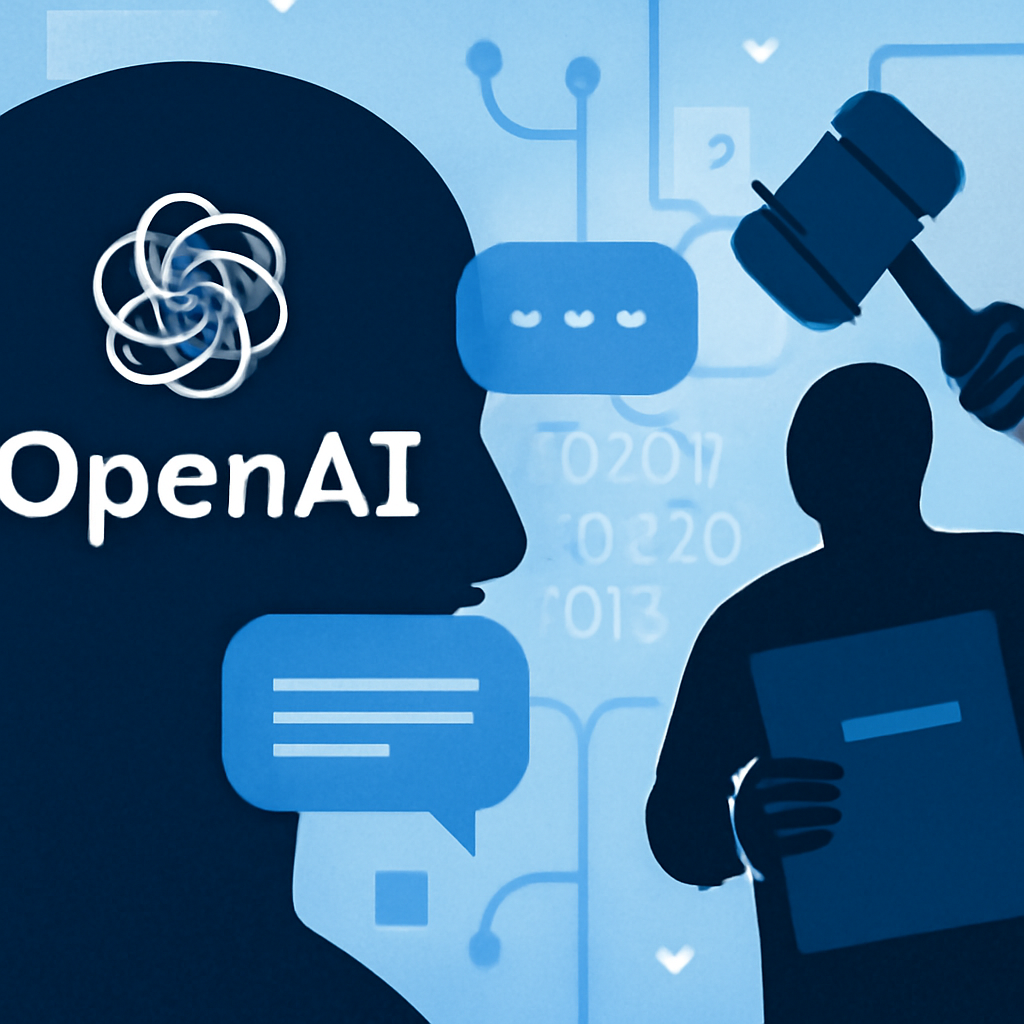
A significant legal issue has emerged for OpenAI as a federal court in New York mandated the company to disclose millions of user conversations from ChatGPT. This decision follows a larger copyright infringement case, where the court ordered OpenAI to provide 20 million ‘de-identified’ conversation logs for the plaintiffs to search for key information. The ruling raised eyebrows among users who believed their interactions with the AI were private.
Why It Matters
The implications of this ruling are profound for both users and the AI industry. Users expected a certain level of privacy when interacting with AI tools like ChatGPT, but this case highlights that conversations with such public-facing technologies may not be as secure as users assume. For the AI industry, this sets a precedent regarding data handling and user privacy, which could lead to stricter regulations and changes in how companies manage user data.
Context
The court's decision is rooted in the ongoing copyright infringement litigation against OpenAI, where plaintiffs allege their copyrighted materials were improperly used in training the AI. Initially, a much larger number of conversation logs were requested, but the judge narrowed it down to 20 million. This reduction comes amidst concerns about user privacy and appropriate handling of data in legal scenarios. The court's requirement for de-identification aims to protect user identities, yet the specifics of this process remain unclear.
What It Means
The fallout from this legal battle could reshape user trust in AI applications. If users feel their conversations are subject to scrutiny or not adequately protected, they may be less inclined to engage with AI tools. Additionally, the plaintiffs’ accusations of OpenAI’s mishandling of data—such as failing to retain significant conversations and applying extensive redactions—could lead to stricter oversight and potential sanctions for the company. This situation emphasizes the need for clearer boundaries and expectations regarding user data privacy in the rapidly evolving landscape of artificial intelligence.