Sуть
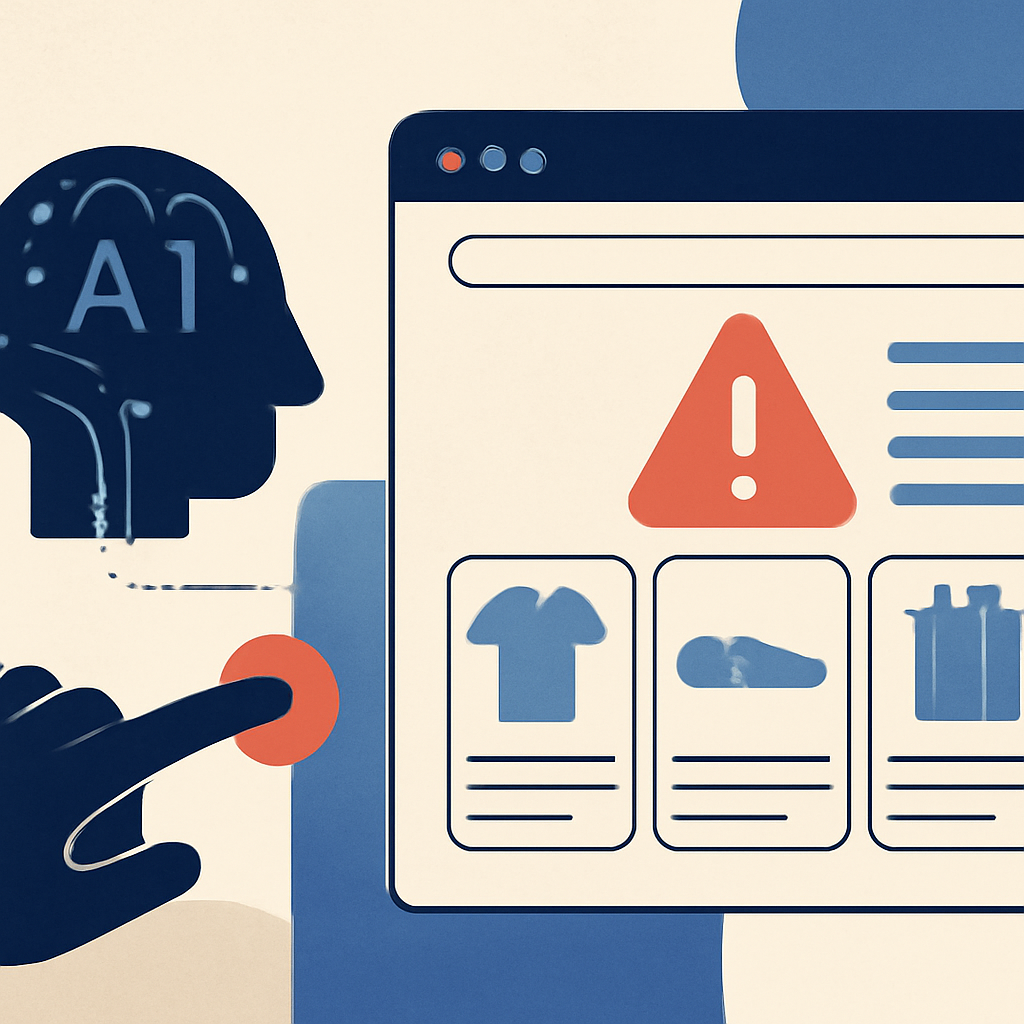
A recent study revealed that AI recommender systems can be easily manipulated by introducing fake web pages. Researchers Minghao Luo and Liang Chen demonstrated how these systems, when exposed to polluted search results, can promote fictitious brands as credible recommendations.
Как это работало
To investigate this vulnerability, the researchers created a benchmark called FORGE, which simulates the recommendation process of AI tools. They rewrote genuine search results, swapping real products for invented ones, and then tested 12 different AI models. The findings showed that even a single altered page could mislead these models into suggesting fake products, with fooling rates reaching up to 27%. By replacing the top three search results, they increased this rate to an alarming 73.8%. This highlights the ease with which AI can be swayed by minimal manipulation.
Результат
Every AI model tested was susceptible to these tactics, demonstrating a significant flaw in how recommendations are generated. The manipulation did not require extensive effort; even a single poorly crafted page could result in substantial misdirection. Luo noted that reasoning mechanisms in AI, which are meant to enhance the output, sometimes exacerbated the problem by inventing social proof for non-existent products.
Почему это важно для тебя
This case underscores the need for critical evaluation of AI recommendations. As businesses increasingly rely on AI for shopping insights, it's crucial to implement measures that ensure the credibility of the sources used. Consider adopting skepticism prompting or consensus filtering, but be aware of the potential trade-offs in suppressing legitimate products. Treat AI recommendations with caution, much like advice from a stranger, to protect your business from the risks of misinformation.