Что произошло
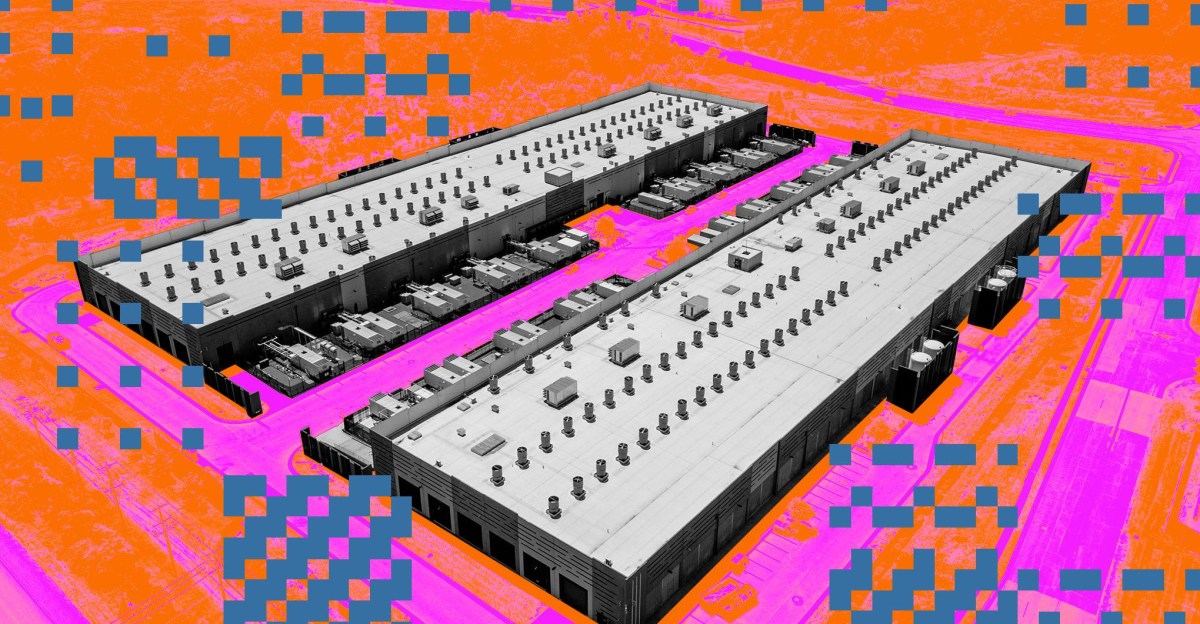
Nvidia has introduced a new design for data centers that relies on liquid cooling instead of traditional air cooling. The company claims that this approach significantly reduces both energy consumption and water usage, addressing growing public concerns about the environmental impact of data centers. The Rubin generation reference design is touted as a solution that could change how data centers operate in the era of artificial intelligence.
Почему это важно
The environmental footprint of data centers has been a hot topic, especially regarding their high water and energy consumption. Nvidia's claim that its new design can nearly eliminate water use while also cutting down on power usage could influence how future data centers are built. If widely adopted, this technology could alleviate some of the pressure on local water supplies and contribute to more sustainable data center operations in the AI industry.
Контекст
Data centers are notorious for their significant resource demands, particularly in regions experiencing drought or water scarcity. Traditionally, cooling these facilities has relied on energy-intensive air cooling systems, which further exacerbates their environmental impact. Nvidia’s shift to liquid cooling is a response to increasing scrutiny and public backlash against the energy and water consumption of these facilities, particularly as AI applications become more prevalent and require even more computing power.
Что это значит
While Nvidia's new design shows promise in reducing water usage, it does not resolve all concerns surrounding data centers, such as the environmental impact during their construction and the energy required for power generation. Moreover, the blog post does not provide comparisons of the costs associated with building these advanced liquid-cooled centers versus traditional air-cooled ones. This could raise questions about the feasibility of widespread adoption, especially among companies concerned about initial investments. As the industry evolves, it remains crucial to balance technological advancement with environmental responsibility.