What Happened
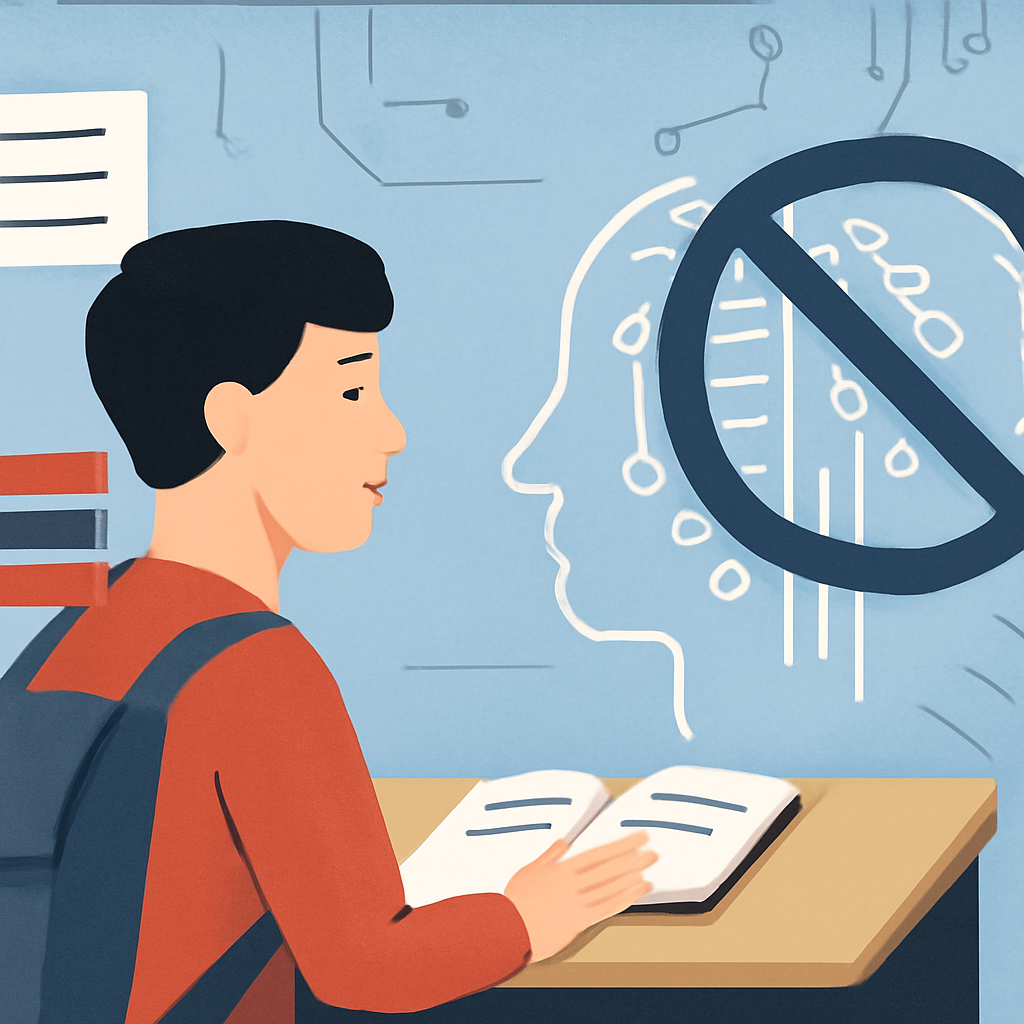
Norway has announced a near-total ban on the use of generative artificial intelligence in elementary schools. This measure affects not only younger students but also restricts AI applications for older pupils. The country's government, led by Prime Minister Jonas Gahr Støre, aims to minimize the negative consequences of technology integration in the educational process.
Why It Matters
The prohibition of AI in elementary schools could significantly impact Norway's education system. In an era where many countries are eager to integrate new technologies into learning, Norway's approach may seem counterproductive. However, authorities view this as a means to protect students from potential risks such as technology addiction and diminished critical thinking skills.
Context
In recent years, generative artificial intelligence has become a popular tool across various fields, including education. Many schools worldwide have begun using AI to create personalized learning plans and assist with teaching. However, this technological development also raises concerns about the quality of education and its effects on children's mental health, which has led to Norway's ban.
What This Means
Norway is becoming one of the first countries to take such radical steps in regulating technology in the education sector. This could influence how other nations approach the integration of artificial intelligence into learning. While some countries are actively embracing AI, Norway exemplifies caution, emphasizing the importance of quality education without excessive reliance on technology.