What happened
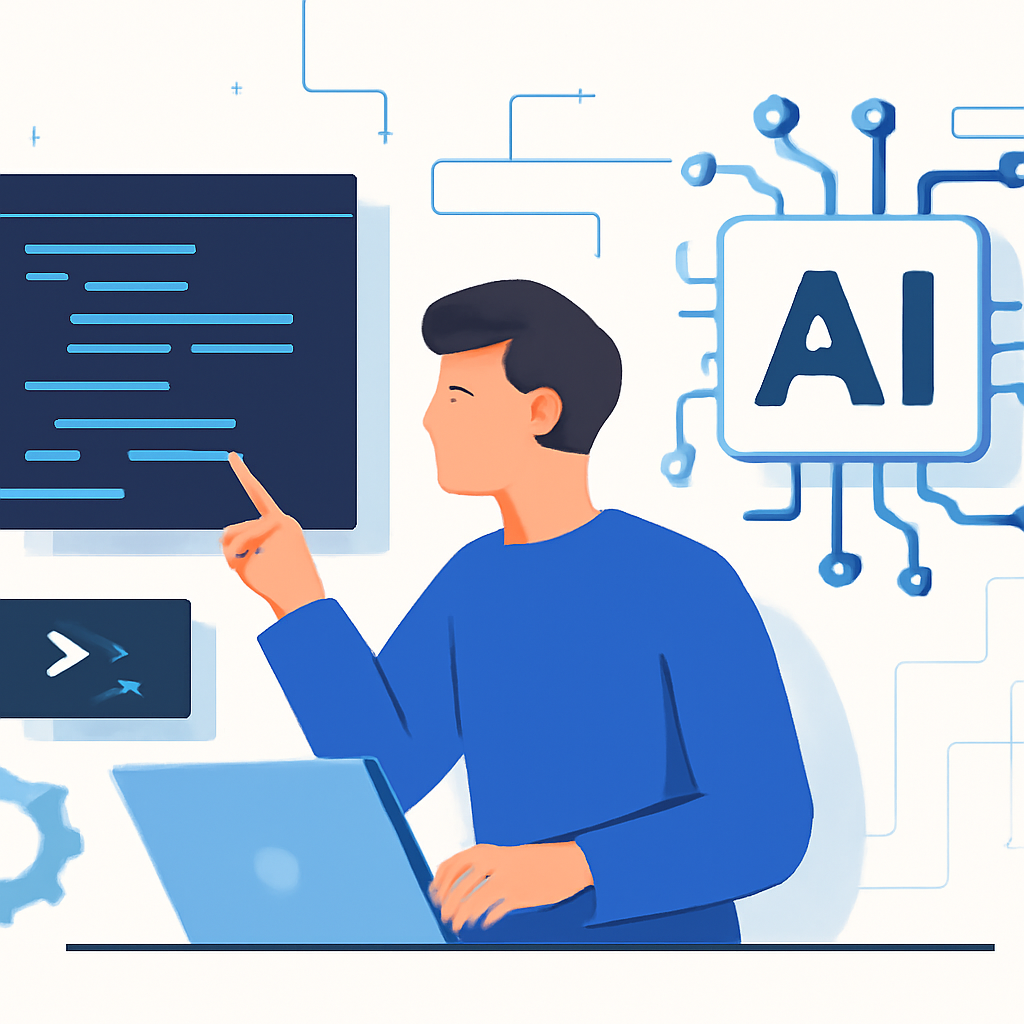
Recent reports indicate a rapid increase in the use of AI in coding, with projections suggesting that by 2026, as much as 55% of newly written code could be generated or assisted by AI technologies. Surveys reveal that daily usage of AI tools among developers is also on the rise, with 72% of those who have tried AI coding tools incorporating them into their regular workflow.
Why this matters
This shift has profound implications for the software development industry. As AI tools become more integrated into coding practices, they are likely to enhance productivity and efficiency, allowing developers to focus on more complex tasks. The forecasted rise means that companies may need to adapt their hiring practices and training programs to accommodate this new reality, ensuring that developers are skilled in using AI tools effectively.
Context
The adoption of AI in software development is not a sudden trend; it has been building momentum since tools like GitHub Copilot were introduced in 2021. Initial reports showed that by early 2023, nearly half of the code written by developers using Copilot was AI-generated, highlighting the growing reliance on these technologies. Various surveys conducted over the past few years consistently show an upward trend in AI tool usage among developers, underscoring a significant cultural shift in the industry.
What this means
As AI continues to evolve and integrate into coding practices, we can expect a transformation in how software is developed. The anticipated increase in AI-generated code suggests a future where developers might spend less time on routine coding tasks and more on strategizing and problem-solving. Moreover, the forecast that 75% of enterprise software engineers will be using AI assistants by 2028 indicates that this trend is not just a passing phase but a fundamental shift in the way software engineering will operate going forward.