What Happened
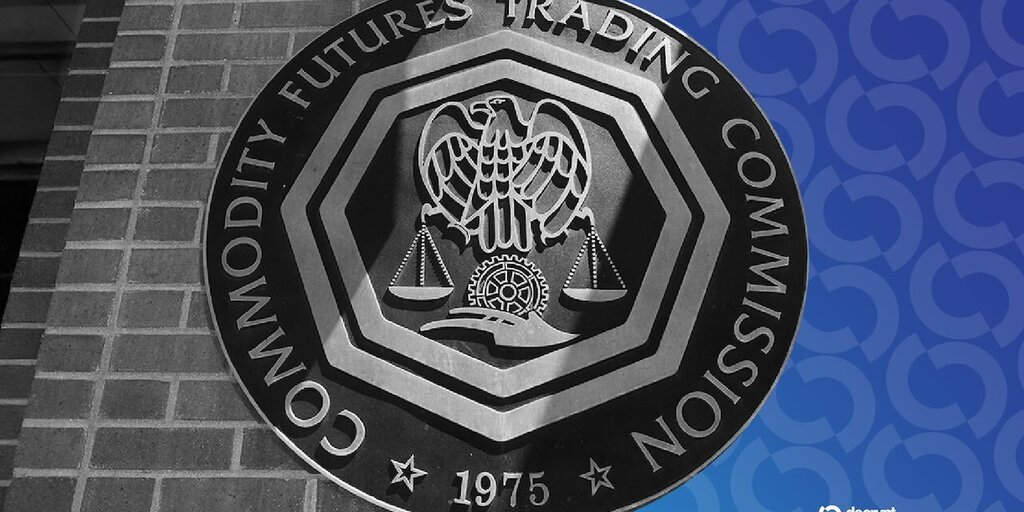
North Carolina recently passed a budget law that officially recognizes the Commodity Futures Trading Commission (CFTC) as the regulatory authority for prediction markets operating within the state. This decision specifically applies to platforms like Kalshi and Polymarket, which allow users to bet on the outcomes of future events. The law also imposes a modest tax rate of 6% on these platforms, significantly lower than rates in many other states.
Why It Matters
This legislative move could attract more prediction market platforms to North Carolina, as the CFTC's oversight provides a level of regulatory clarity that is appealing to businesses. By maintaining a lower tax rate, the state positions itself as a more attractive environment for companies looking to capitalize on the burgeoning prediction market sector. This could lead to increased investment and job creation in the financial technology space within the state.
Context
Prediction markets have gained popularity in recent years, offering a unique way to engage with future events through betting. However, the regulatory landscape has been complex and inconsistent across different states. By aligning with the federal CFTC, North Carolina is taking a proactive stance that could set a precedent for other states considering similar regulations.
What It Means
The recognition of the CFTC's authority over prediction markets in North Carolina suggests a shift towards a more unified regulatory framework for these platforms. It may encourage other states to follow suit, streamlining the process for prediction market operations and potentially leading to wider acceptance of these innovative financial tools. As more users engage with prediction markets, the implications for both the financial industry and regulatory practices will continue to unfold.