What Happened
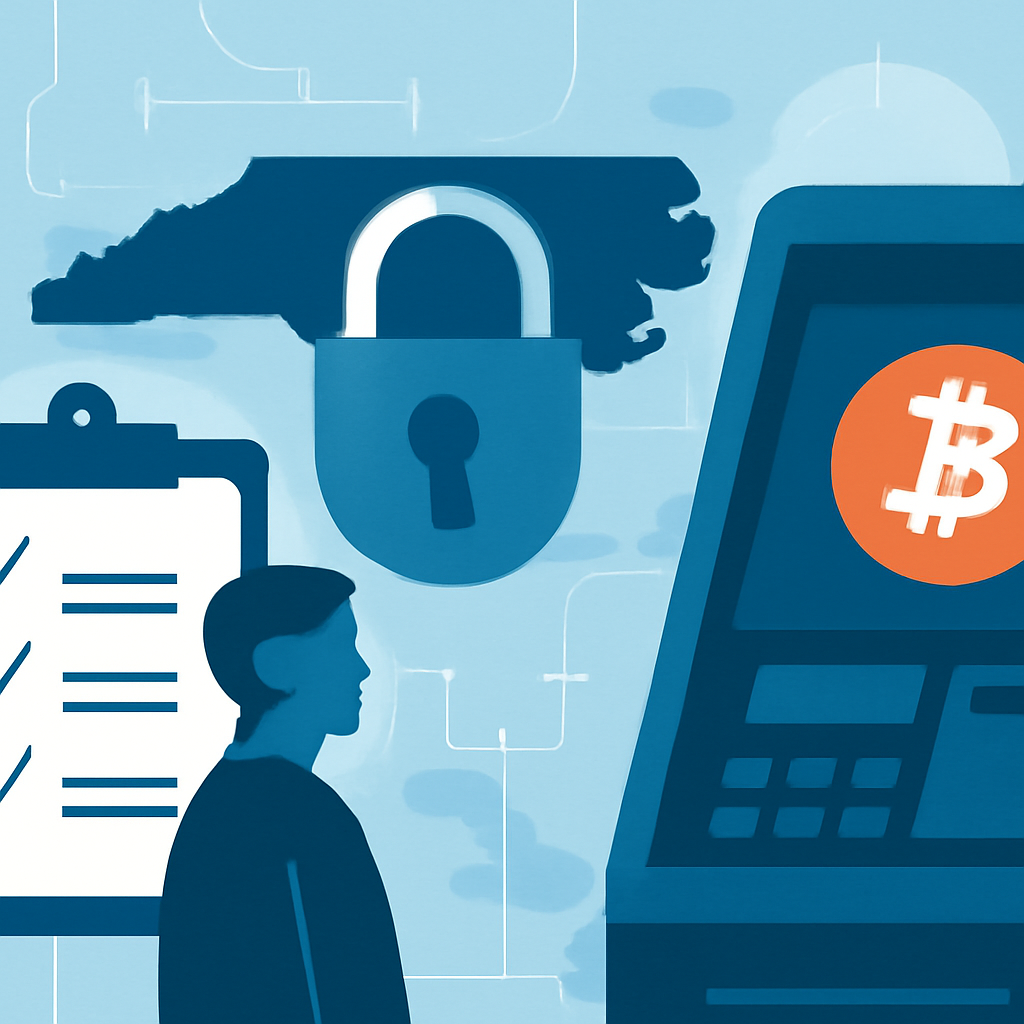
On July 8, 2026, North Carolina Governor Josh Stein signed House Bill 920, officially known as the Virtual Currency Kiosk Consumer Protection Act. This legislation, which received unanimous support in both the House and Senate, introduces new regulations for cash-to-crypto kiosks, set to take effect on January 1, 2027. While it primarily targets various cryptocurrencies, Bitcoin remains the most common currency traded at these kiosks.
Why It Matters
The new regulations will significantly alter how users interact with Bitcoin ATMs in North Carolina. The law imposes daily transaction limits of $2,000 for new customers and $5,000 for existing ones, which could curb the amount individuals can exchange in a single day. Additionally, it caps aggregate fees at 12%, a notable decrease from the current rates that can range from 20% to 30%. These changes aim to enhance consumer protection and make transactions more affordable for users.
Context
Historically, Bitcoin ATMs have operated with minimal oversight, often leading to high fees and potential vulnerabilities to fraud. The introduction of mandatory interactive fraud-warning screens and a 48-hour hold on transactions for new customers reflects a growing concern over scams in the crypto space. Other states, like New Jersey, are considering outright bans on such kiosks, making North Carolina's regulatory approach stand out as it seeks to find a balance between consumer protection and accessibility.
What It Means
For users, this legislation suggests a more regulated environment for Bitcoin transactions through kiosks, with an emphasis on security and transparency. The requirement for operators to perform blockchain analytics on wallet addresses before releasing funds adds another layer of scrutiny aimed at preventing fraud. However, the 48-hour hold for new users may frustrate those looking for immediate access to their funds. It's also important to note that local governments retain the authority to impose additional restrictions, meaning that the availability of these kiosks could still vary across the state. As other states move towards more restrictive measures, North Carolina's regulatory framework could serve as a model for balancing user access with necessary safeguards.