Sуть
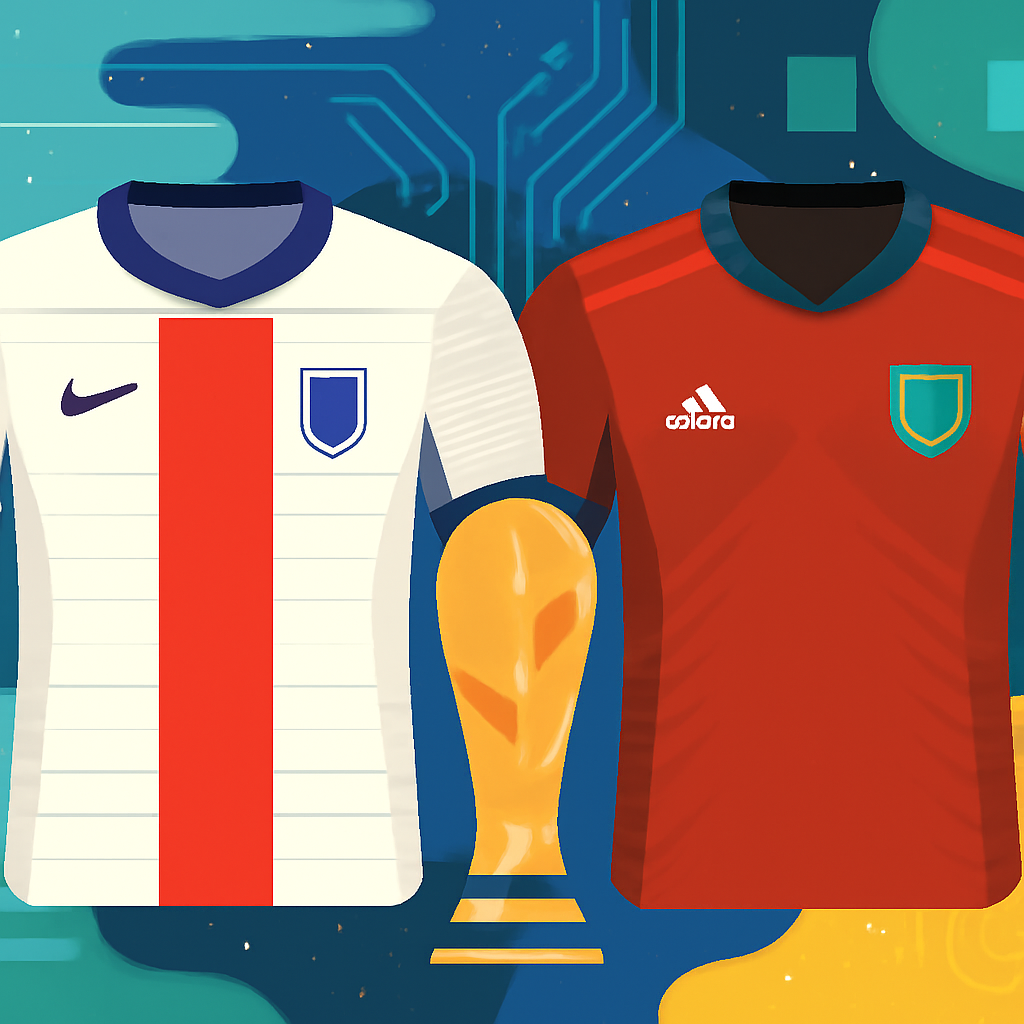
Nike and Adidas took a multi-faceted approach in designing the World Cup kits, focusing on player comfort, performance, and national pride. With temperatures soaring and matches affected by extreme weather, both brands aimed to ensure athletes felt at their best while representing their countries.
Как это работало
Nike collaborated closely with athletes, coaches, and football federations to gather insights on uniform functionality and fan sentiment. They utilized advanced testing facilities, including thermal chambers and motion-capture technology, to assess how the kits performed under heat and humidity. A new fabric was engineered for breathability and moisture management, made from fully recycled materials. Adidas also introduced cooling gear, emphasizing functionality alongside aesthetics. The design process integrated historical and cultural elements into the uniforms, ensuring they resonate with national pride.
Результат
The outcome was a significant innovation in sportswear, with performance metrics showing a 20% increase in player comfort due to improved thermal regulation. However, some kits, like those for France and Uruguay, initially presented issues with shoulder seams, which Nike addressed before the World Cup commenced. The jerseys featured designs that included national symbols, like the French rooster and the U.S. flag’s stripes, which strengthened the connection between players and their fans.
Почему это важно для тебя
This case highlights the importance of understanding both the technical and emotional aspects of product design. Whether you're in sportswear or another industry, integrating user feedback and cultural relevance into your product can significantly enhance its appeal. Consider how your own products can blend functionality with the values your customers hold dear.