What happened
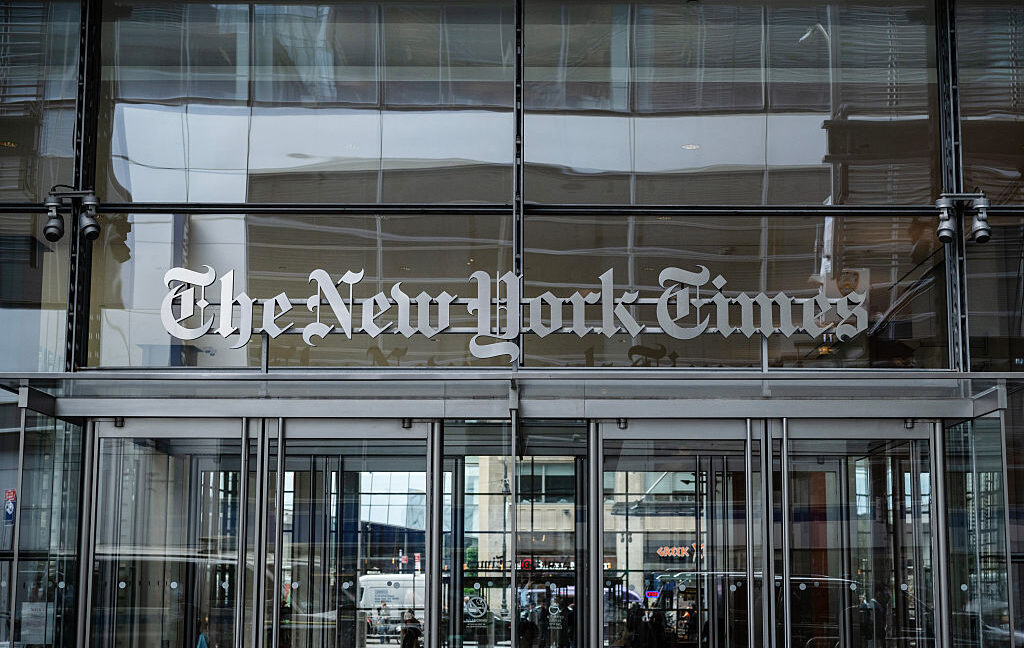
The New York Times has filed a motion to amend its copyright complaint against OpenAI and Microsoft. In this legal filing, they assert that Microsoft built a powerful supercomputer specifically to enable OpenAI to access and use NYT's copyrighted material without permission.
Why this matters
This situation raises significant questions about the role of technology companies in copyright infringement cases. The NYT's move comes on the heels of a Supreme Court decision that changed the landscape for proving contributory infringement. Now, plaintiffs must demonstrate that the accused parties intentionally facilitated illegal activities, which could impact how technology firms approach partnerships with AI companies.
Context
The legal backdrop of this case is significant. The recent Supreme Court ruling favored Cox Communications in a dispute with Sony, establishing a precedent that complicates the ability to hold companies accountable for actions taken by their users. This precedent has prompted the NYT to refine its legal strategy, seeking to align its claims with the new legal standards established by the court.
What this means
The NYT's attempt to amend its complaint could strengthen its position against Microsoft, especially as they now focus on proving intent behind Microsoft's actions. If successful, this legal maneuver could set a precedent for how tech companies are held accountable for facilitating copyright infringement through their products and services. As the legal landscape evolves, both Microsoft and OpenAI may need to rethink their strategies regarding content usage and copyright compliance.