What Happened
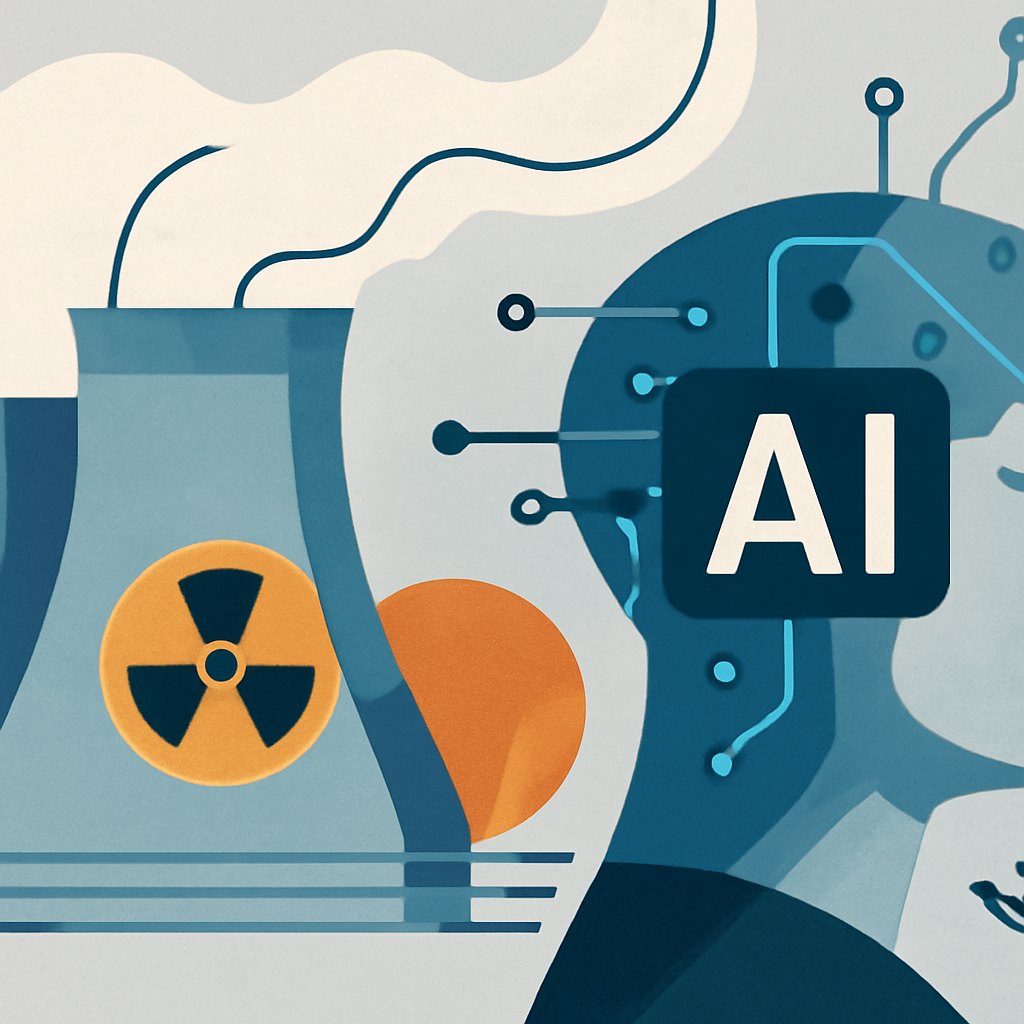
The Russian government has approved a general scheme for the placement of electricity generation facilities, covering the period until 2042. This scheme includes plans to construct 38 new nuclear reactors to meet the growing demand for electricity. The primary driver of this increased energy consumption is the construction of data centers (DCs).
Why This Matters
The construction of new nuclear power plants will significantly enhance production capacity and reduce the electricity deficit that may arise due to rising demand. This is particularly relevant in a context where alternative energy sources, such as solar and wind power, cannot always provide a stable and sufficient energy supply. Implementing this plan may also lead to lower electricity prices and improved access for both the population and businesses.
Background
Nuclear energy has a long history in Russia and plays a key role in ensuring the country’s energy security. Amid increasing electricity consumption, especially in major cities and industrial centers, the government has decided to focus on nuclear energy as a stable and powerful source of energy.
What This Means
The planned construction of new nuclear reactors could change the dynamics of the energy market in Russia. Increasing the capacity of nuclear power plants will help close existing gaps in energy supply and ensure the necessary level of electricity for developing sectors. However, it is essential to consider the potential environmental and social consequences associated with nuclear energy to avoid negative impacts on the environment and public health.