What Happened
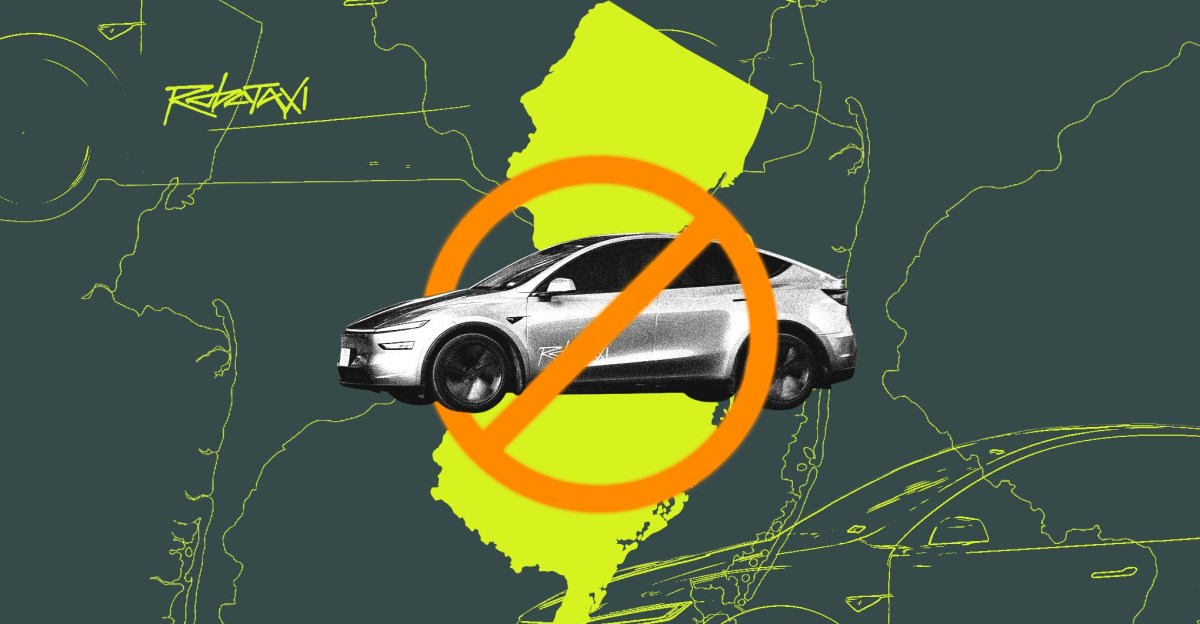
New Jersey is gearing up to vote on a significant piece of legislation regarding autonomous vehicles, specifically robotaxis. This bill aims to clarify whether vehicles should rely solely on cameras or include additional sensors like lidar and radar for safe operation. If passed, this could have serious implications for Tesla, which has heavily invested in a camera-based system.
Why It Matters
The outcome of this bill could set a precedent for how autonomous vehicles are regulated across the United States. If New Jersey mandates the use of additional sensors, it could hinder Tesla's operations and alter the competitive landscape, benefiting companies that have adopted a more conservative approach to vehicle safety.
Context
For years, the debate over the best technology for autonomous driving has been contentious. Tesla has placed its faith in artificial intelligence and cameras, while most of its competitors have opted for a multi-sensor strategy, believing it's necessary for reliable navigation. Until now, this discussion has primarily occurred among industry experts, but the New Jersey legislation could bring these technical decisions into the legal arena.
What It Means
Should the law pass, Tesla may face significant challenges in New Jersey, potentially affecting its market presence there. This could prompt other states to consider similar regulations, pushing Tesla to re-evaluate its autonomous driving strategy. Ultimately, the bill could reshape the future of robotaxis and influence how companies approach the development of self-driving technology.