What happened
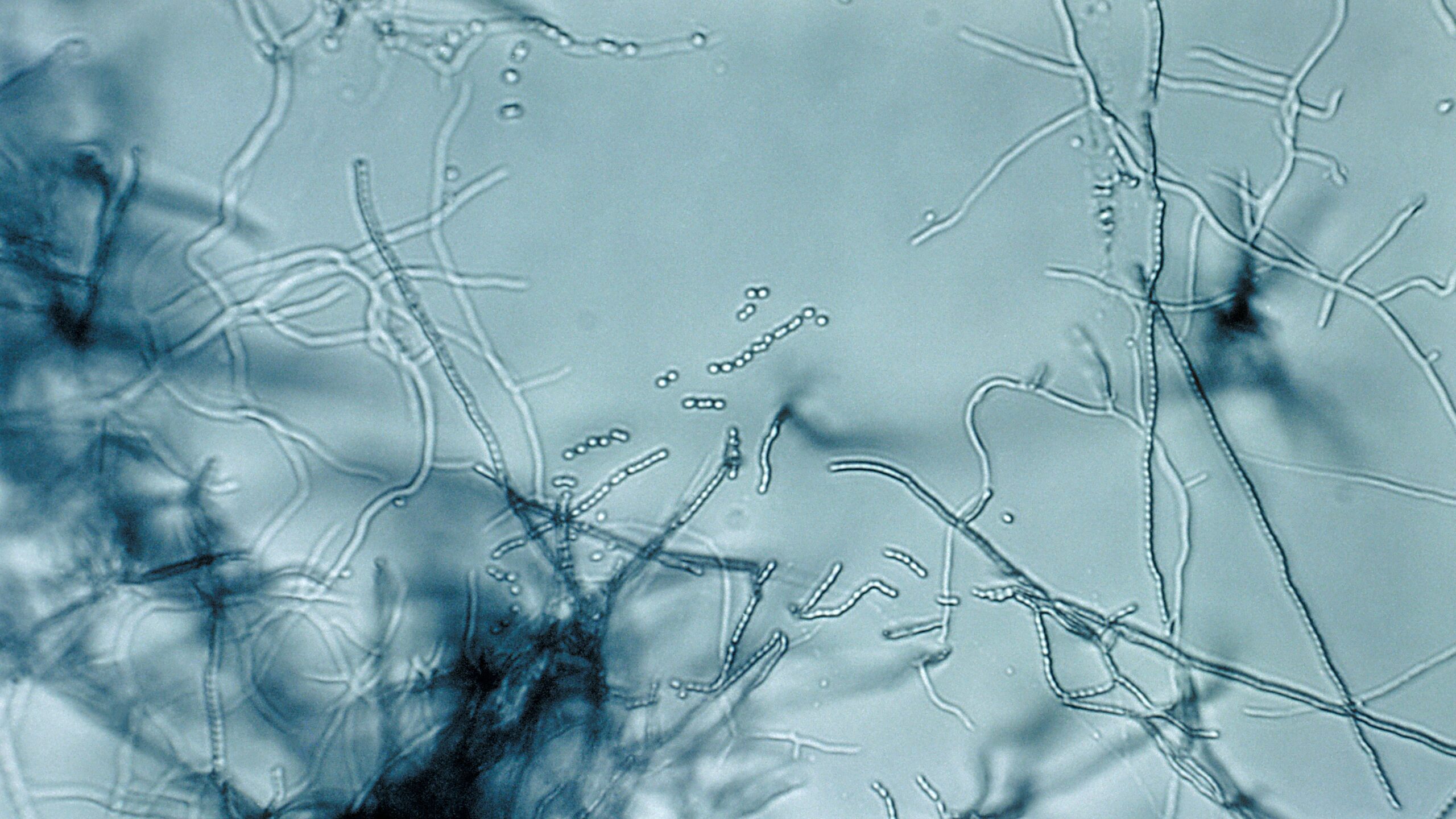
Researchers have made a significant breakthrough in the fight against antibiotic-resistant bacteria by discovering a large cluster of genes, referred to as a "megacluster." This megacluster encodes for four different molecules that work together to disrupt a critical metabolic pathway in bacteria. This discovery suggests a new method for developing antibiotics that could combat superbugs more effectively.
Why this matters
The rise of antibiotic resistance has become a pressing global health issue, with many common infections becoming increasingly difficult to treat. The traditional antibiotic development pipeline has slowed down, leaving healthcare professionals with fewer options. The identification of this megacluster offers a new strategy that could lead to the creation of more effective antibiotics, potentially restoring our ability to treat infections that have become resistant to current treatments.
Context
Historically, antibiotics have been derived from natural products found in microbes. However, as bacteria evolve, they develop resistance mechanisms that render many existing antibiotics ineffective. This ongoing arms race has made it challenging to find new antibiotics, especially as overuse of available drugs has accelerated resistance. The discovery of the megacluster marks a shift in how we might approach antibiotic development, moving towards a multi-faceted strategy rather than relying on single molecules.
What this means
The implications of this discovery are profound. By utilizing the synergistic effects of multiple molecules, researchers may be able to create antibiotics that are less susceptible to the quick evolutionary changes seen in bacteria. This could lead to a new class of treatments that can maintain their effectiveness over time, ultimately providing healthcare systems with a powerful tool in the ongoing battle against superbugs. The future of antibiotics may depend on this innovative approach, offering hope in what has been a dire situation for public health.