What Happened
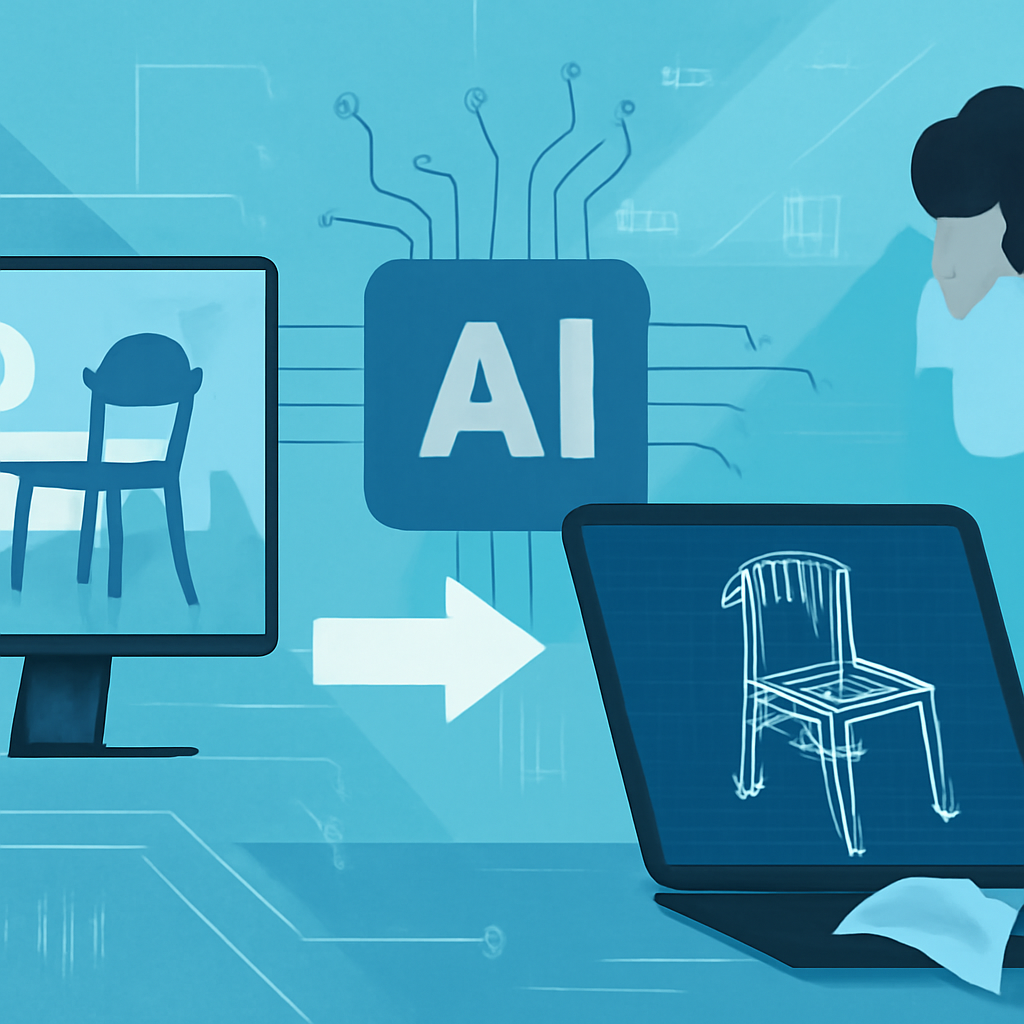
An innovative AI has successfully transformed a single photograph of an espresso machine into a detailed, articulated CAD model. Unlike traditional methods that often rely on mesh or rendering techniques, this AI generated actual parametric code using CadQuery, making each component movable and editable.
Why It Matters
This advancement could significantly streamline the design process in various engineering fields. Designers and engineers can now convert real-world objects into digital models with unprecedented ease, speeding up prototyping and potentially reducing costs. The ability to produce functional models directly from images may also democratize CAD design, allowing those without advanced skills to create complex models.
Context
Historically, creating CAD models from images was a labor-intensive task requiring expert knowledge and manual adjustments. Previous technologies either involved creating rough approximations or relied heavily on user input. The introduction of AI into this space marks a significant evolution, as it leverages machine learning to interpret visual data into actionable code.
What It Means
The implications of this technology are vast. While there are some limitations, such as minor collisions during movement, the fundamental capability to convert static images into dynamic models opens doors for rapid innovation. As this technology matures, we can expect to see enhanced applications in 3D printing, product design, and even education, making CAD tools more accessible and intuitive for a broader audience.