What Happened
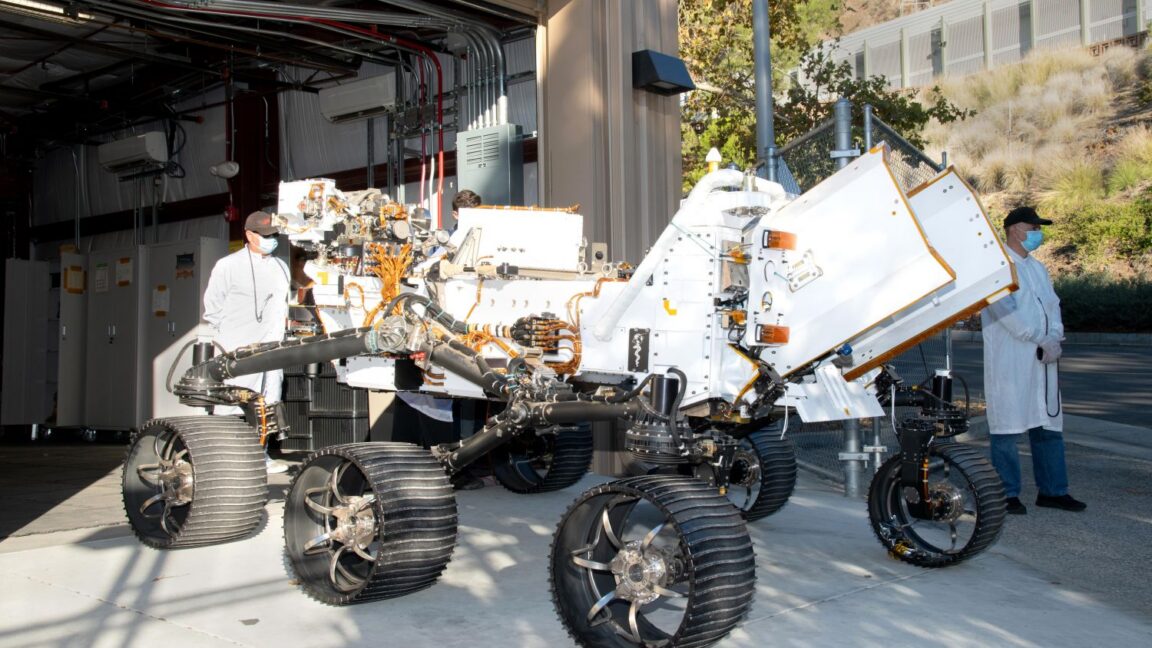
NASA is exploring the idea of sending a backup version of its Perseverance rover, known as "Promise," to the Moon. This rover, currently stored at the Jet Propulsion Laboratory in California, is a full-scale engineering model that wasn't initially planned for any launch. It would be equipped with a nuclear-powered generator to help it navigate the Moon's challenging terrain and survive its long nights.
Why It Matters
Sending the Promise rover to the Moon could significantly accelerate NASA's exploration of the lunar south pole, a region believed to hold valuable resources like water ice. Unlike other rovers that rely on solar power, Promise’s nuclear generator would allow it to operate continuously, even in harsh conditions. This capability could enhance the agency's understanding of the Moon’s environment and make future manned missions more feasible.
Context
The Moon has become a focal point for space exploration, especially as nations and private companies ramp up their lunar missions. NASA is currently working on plans for a sustainable human presence on the Moon, aiming to establish a base that could serve as a stepping stone for future missions to Mars. The agency's interest in using advanced technology like nuclear power reflects a shift towards more reliable energy sources for long-duration missions.
What It Means
If NASA moves forward with this plan, it could redefine our approach to lunar exploration. The success of Promise could lead to more sophisticated missions that leverage nuclear technology, enhancing our ability to conduct research in extreme environments. Moreover, this initiative underscores the importance of adaptability in space exploration, as agencies look for innovative solutions to meet ambitious goals.