What happened
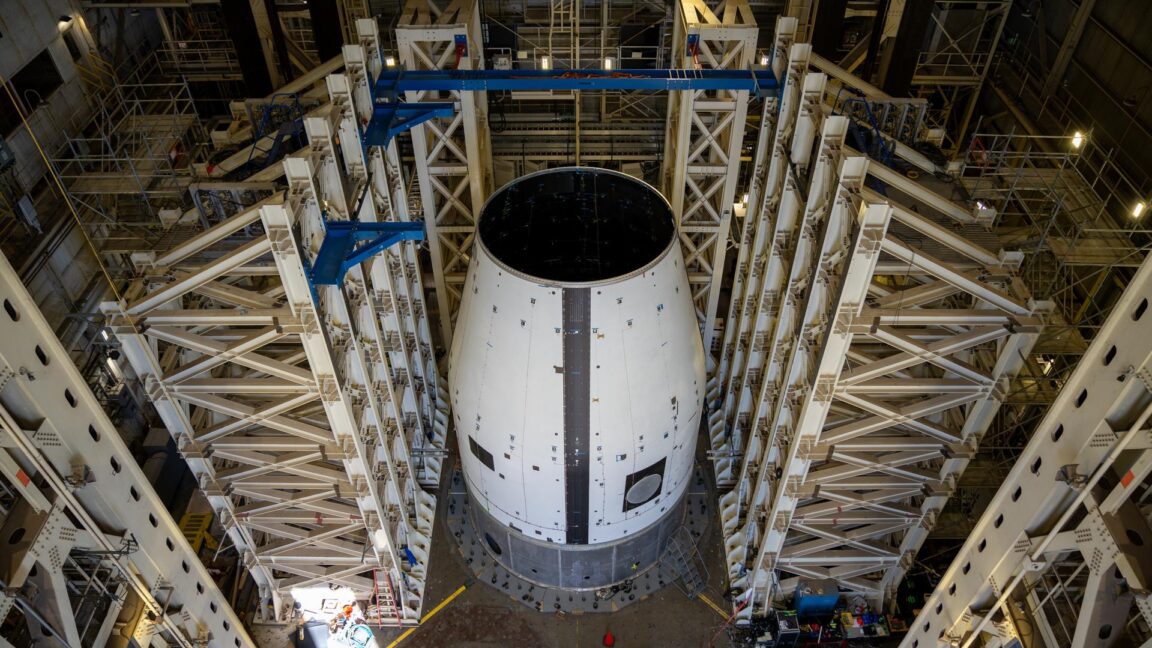
NASA has recently made significant changes to its lunar exploration plans, shifting focus from developing a new upper stage for its Space Launch System rocket to building a base on the Moon's surface. This transition, announced by NASA Administrator Jared Isaacman, follows an earlier decision to halt the upper stage's development, which has faced substantial delays and cost overruns.
Why this matters
The decision to cancel the upper stage development raises questions about the efficiency of NASA's budget management and project execution. With a whopping $500 million already invested over 13 years, stakeholders are concerned about the implications for the Artemis Program, which aims to return humans to the Moon. Isaacman argues that the projects were not critical for lunar landings and that resources would be better allocated to more feasible initiatives.
Context
Historically, NASA's Artemis Program has seen numerous challenges, including technical difficulties and funding issues. The decision to pivot towards a lunar base reflects a broader trend in space exploration, emphasizing sustainable presence over temporary missions. This approach aligns with international efforts to establish more permanent infrastructure on the Moon, which could facilitate future exploration.
What this means
The shift in NASA's strategy could signal a new era for lunar exploration, focusing on long-term goals rather than incomplete projects. While the cancellation of the upper stage may seem like a setback, it might ultimately lead to a more effective use of resources and a clearer path towards establishing a sustainable human presence on the Moon. This decision could also influence how NASA manages future projects, balancing ambition with practicality in its quest for deeper space exploration.