What happened
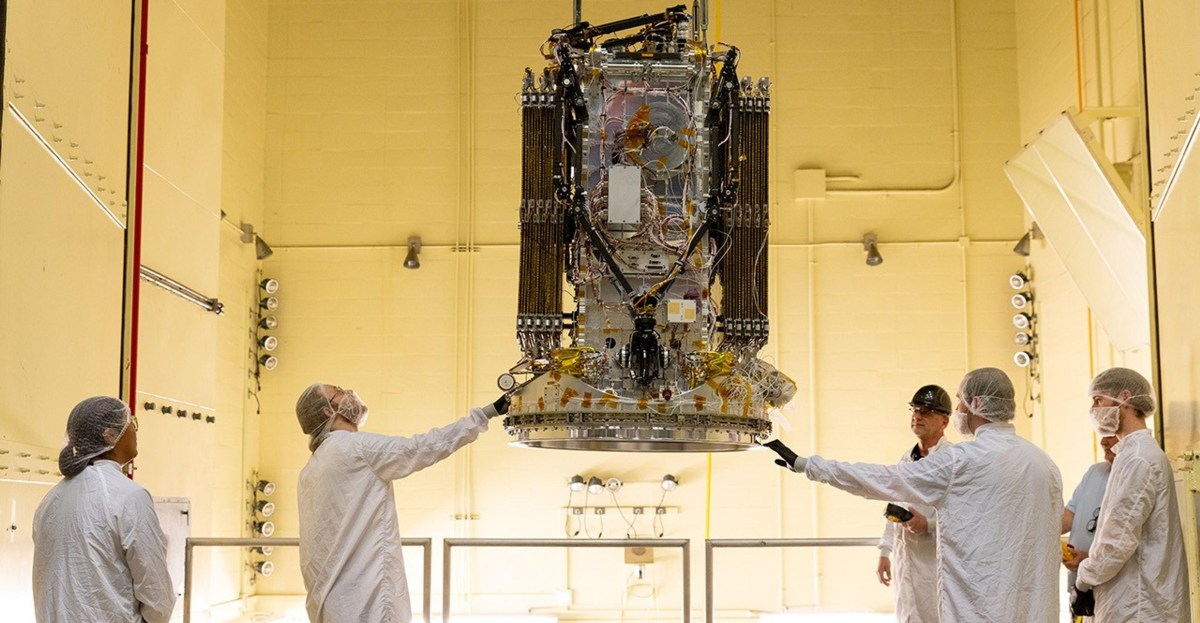
NASA has initiated an emergency mission to rescue the Swift Observatory, which was launched in 2004. Recent solar storms have caused the satellite's orbit to drop dangerously low, putting it at risk of burning up in Earth's atmosphere within the year. To address this critical situation, NASA partnered with Katalyst Space Technologies to deploy their Link spacecraft designed to boost Swift's orbit back to a safer altitude.
Why this matters
The fate of the Swift Observatory is significant not just for NASA but for scientific research as a whole. Swift has been instrumental in observing cosmic events, particularly gamma-ray bursts and supernovae, contributing invaluable data to the field of astrophysics. If Swift were to crash, it would not only mean a loss of this data but could also set back ongoing research efforts that rely on its observations.
Context
The Swift Observatory has been operational for nearly two decades, providing continuous monitoring of high-energy astrophysical phenomena. However, its orbit has been compromised due to solar activity, which is known to affect satellite trajectories. The mission to save Swift highlights the increasing challenges faced by aging space infrastructure and the need for innovative solutions to maintain operational satellites.
What this means
The successful execution of this mission could pave the way for new techniques in satellite servicing and orbital maintenance. If Katalyst Space Technologies can successfully elevate Swift's orbit, it may establish a model for future satellite interventions. This mission underscores the importance of addressing the vulnerabilities of existing space assets, ensuring that valuable observational data continues to be available for scientific endeavors.