What happened
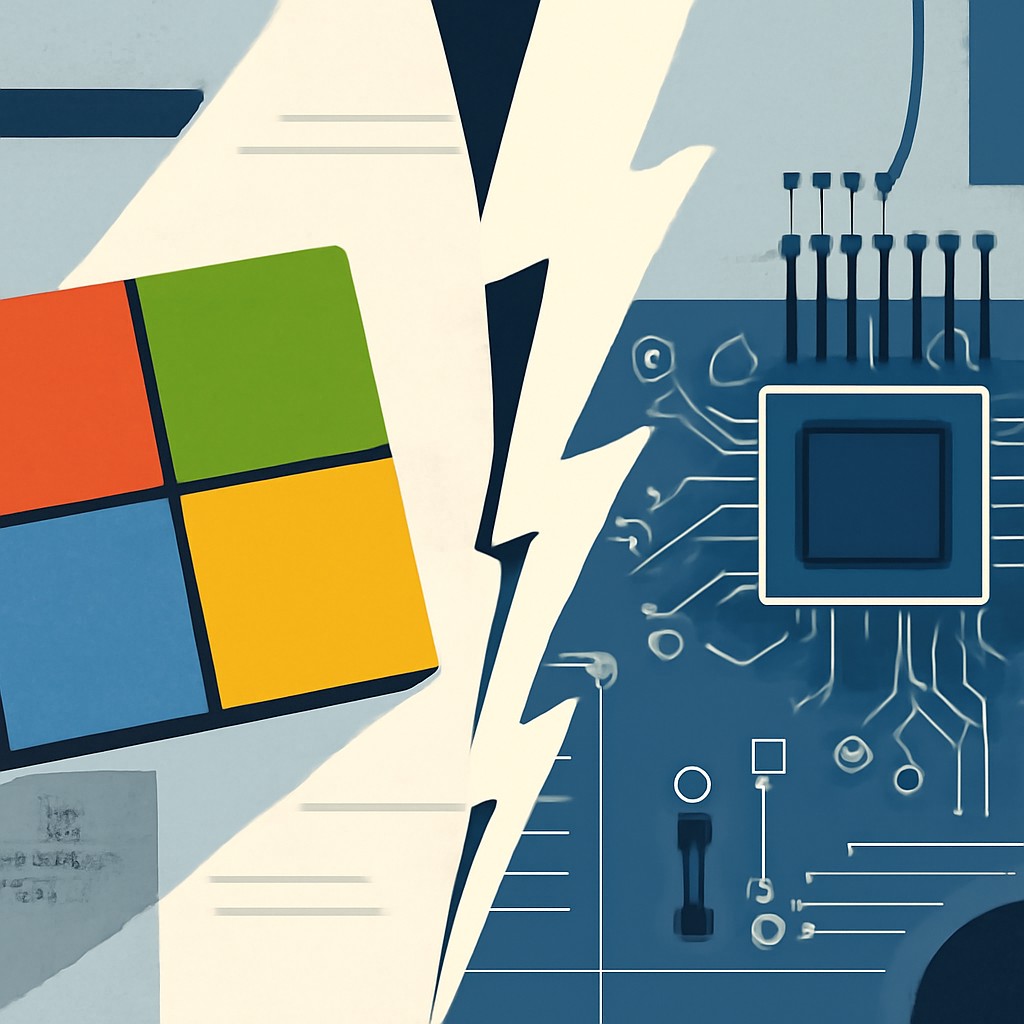
The tech market is currently witnessing a divide between semiconductor stocks and software companies. With the rise of artificial intelligence, concerns are growing around software companies facing fierce competition and declining margins, leading to a stark contrast in stock performances. While semiconductor stocks have surged, software stocks have significantly dropped, raising questions about future trends in both sectors.
Why this matters
The implications of these movements are crucial for investors. If the fears surrounding software companies and the so-called "SaaSpocalypse" materialize, competition from new, innovative solutions could lead to further revenue declines for established firms. This would mean that while semiconductor companies thrive from heightened AI demand, software firms may struggle to maintain their market positions, ultimately affecting their long-term viability.
Context
Historically, software companies have dominated the tech landscape, but the rapid advancement of AI technologies is transforming this dynamic. The emergence of new entrants, often referred to as "vibecoded alternatives," poses significant challenges for traditional software firms. These newcomers, while often lacking the expertise of established players, could disrupt the market and shift consumer preferences toward more advanced solutions.
What this means
For Microsoft, the situation is particularly complex. The company benefits from both the semiconductor boom through its partnerships and the demand for cloud services like Azure. However, it is currently facing pressures related to its software revenues, which have not shown the same resilience as semiconductor stocks. The market may be undervaluing Microsoft, considering its strong position in both sectors. If demand for Azure or Microsoft 365 increases, it could lead to a rebound in their stock, despite current fears surrounding their software business. Overall, the current market sentiment may be overly pessimistic, suggesting that there’s potential for recovery and growth in Microsoft’s stock value.