The Gist
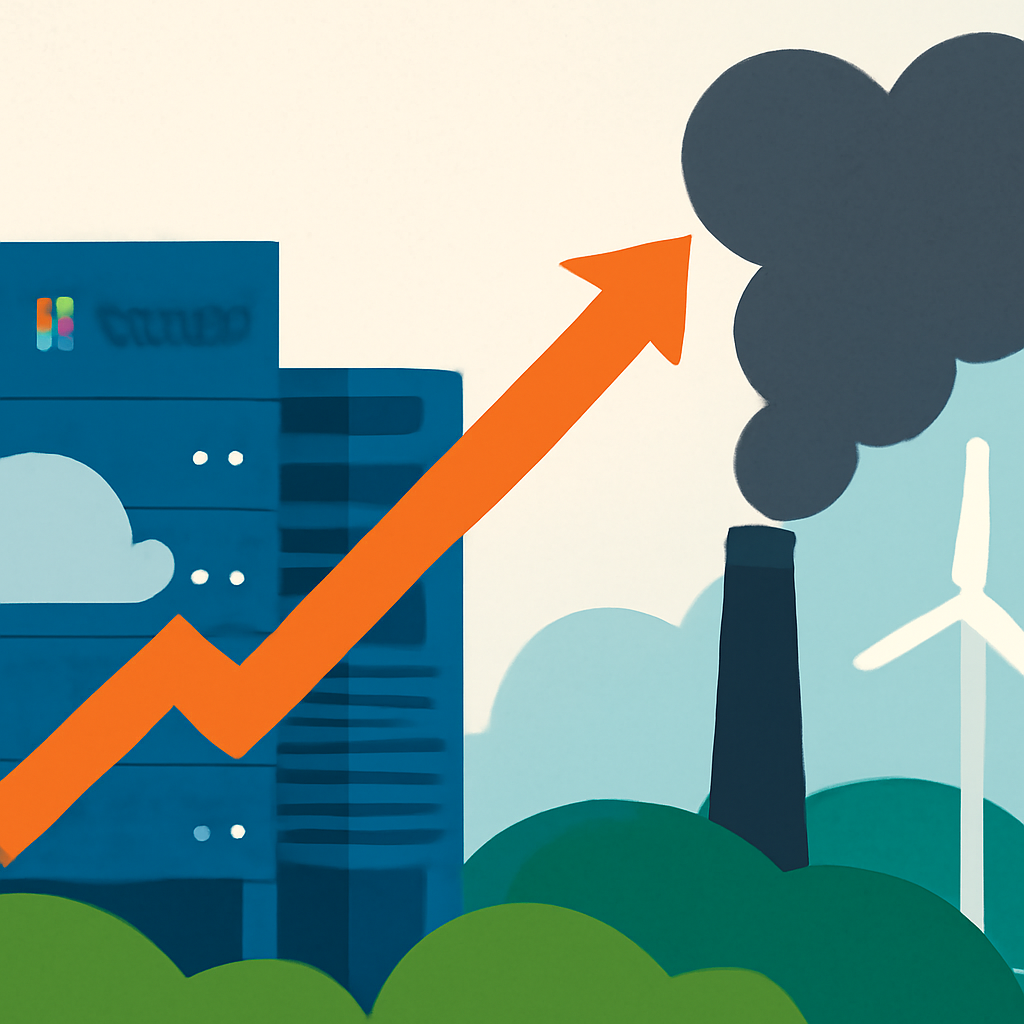
Microsoft's total emissions surged by 25% in 2025, primarily due to the expansion of AI data centers and a pause in renewable energy certificates. Despite aiming to be carbon negative by 2030, the company's reliance on fossil fuels raises questions about its future sustainability efforts.
How It Worked
The increase in emissions was largely driven by the growth in AI infrastructure, which requires significant energy and resources. Microsoft’s decision to halt certain renewable energy purchases further exacerbated the situation. An analysis revealed that upcoming gas power plant projects would double the company's emissions, totaling over 15 million metric tons of CO2 annually. Microsoft’s scope 2 emissions, now 13% of its carbon footprint, highlight a shift from nearly 2% the previous year, indicating a troubling trend in energy consumption.
Results
Microsoft's electricity consumption has skyrocketed by nearly 250% since 2020, matching the energy use of an entire country, Denmark. This surge in demand for energy, driven by AI, reflects a broader issue faced by tech companies: balancing growth with sustainability. Microsoft is not alone; competitors like Google and Amazon also reported significant increases in emissions and electricity demand, 2% and 16% respectively in 2025.
Why It Matters for You
This case underscores the importance of aligning growth strategies with sustainability commitments. As businesses increasingly adopt AI technologies, they must prioritize clean energy solutions and transparency in reporting emissions. Consider evaluating your own energy strategies and sustainability goals to ensure they are scalable and effective in the face of rising demand.