What Happened
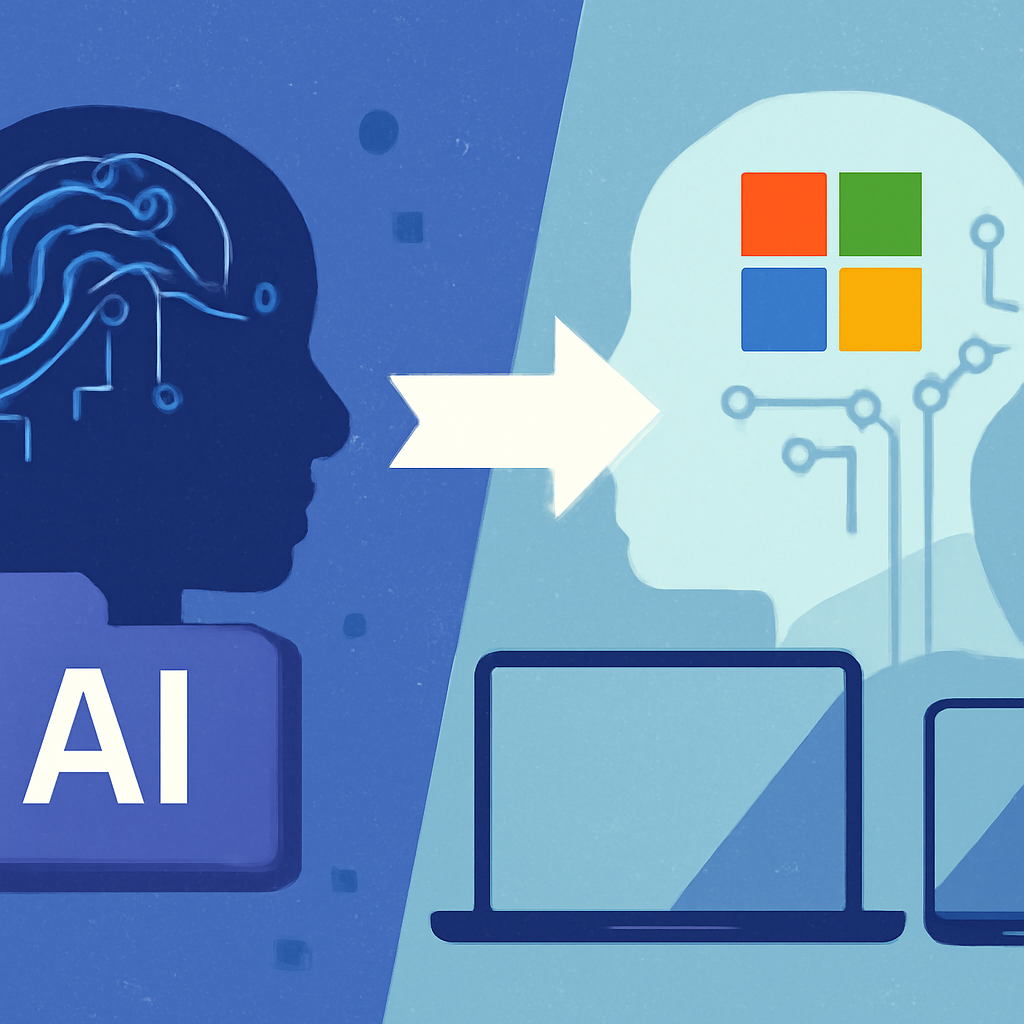
Microsoft has begun integrating its proprietary MAI models into popular applications like Excel and Outlook, replacing the previous reliance on OpenAI and Anthropic. This transition is significant as it involves handling tens of thousands of user prompts weekly, marking a notable shift in how Microsoft manages its AI capabilities within its productivity suite.
Why It Matters
This change is crucial for several reasons. Firstly, Copilot, which is embedded in Microsoft Office applications, represents the highest volume of AI interactions for the company. By moving to its own models, Microsoft can reduce dependency on external vendors, thereby potentially increasing profit margins. This shift alters the economic landscape of AI integration into Office, allowing Microsoft to bundle its AI services more cost-effectively.
Context
Historically, Microsoft has leaned heavily on third-party AI solutions, particularly from OpenAI and Anthropic, for its AI features. The transition to in-house models is the first observable step towards reducing this reliance in live production environments, rather than just experimental settings. This approach underscores Microsoft's confidence in its AI development capabilities and its commitment to enhancing product performance.
What It Means
The implications of this shift extend beyond immediate operational changes. It suggests a strategic realignment in how Microsoft views its AI partnerships and product offerings. By developing and deploying its own models, Microsoft not only strengthens its competitive edge but also sets the stage for future innovations within its suite of productivity tools. This move could lead to more tailored features and improvements as Microsoft gains complete control over its AI infrastructure.