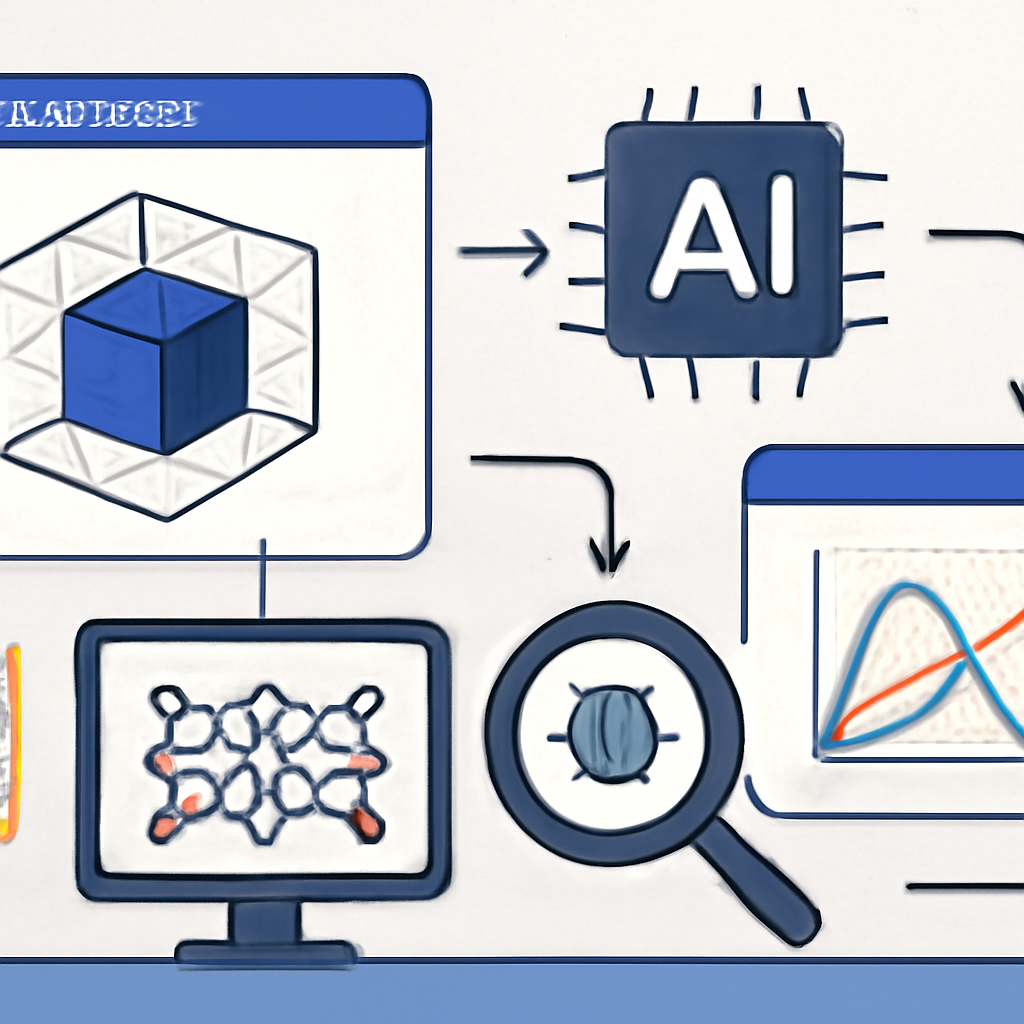
What Happened
Microsoft has introduced Flint, a new visualization language designed specifically for AI agents. This innovative language aims to address issues that have long plagued the creation of reliable data visualizations by AI, such as low quality outputs or overly complex specifications.
Why It Matters
The development of Flint is significant because it simplifies the process of generating visualizations for AI agents. Traditionally, these agents struggled with either producing low-quality charts from simple specifications or becoming bogged down by complex, verbose inputs. Flint's approach could enhance the quality and reliability of visual outputs, making it easier for businesses and developers to integrate effective data visualization into their applications.
Context
Historically, visualization languages have been designed with human users in mind, which can complicate their use by AI agents. Existing languages often require agents to make detailed visual decisions, which can lead to inconsistencies and subpar results. Flint aims to overcome these challenges by introducing a more semantic and type-based specification method, along with a layout optimization engine that automatically creates visually appealing charts.
What It Means
The introduction of Flint could mark a turning point in how AI interacts with data visualization. By allowing AI agents to work with less verbose and more intuitive specifications, Flint can help streamline the process of data interpretation and presentation. Moreover, its open-source nature encourages collaboration and innovation within the tech community, potentially leading to further advancements in AI-driven data visualization tools. As Flint powers the data formulator project, developers have a new resource to enhance their applications, potentially transforming the landscape of data analytics and visualization.