What happened
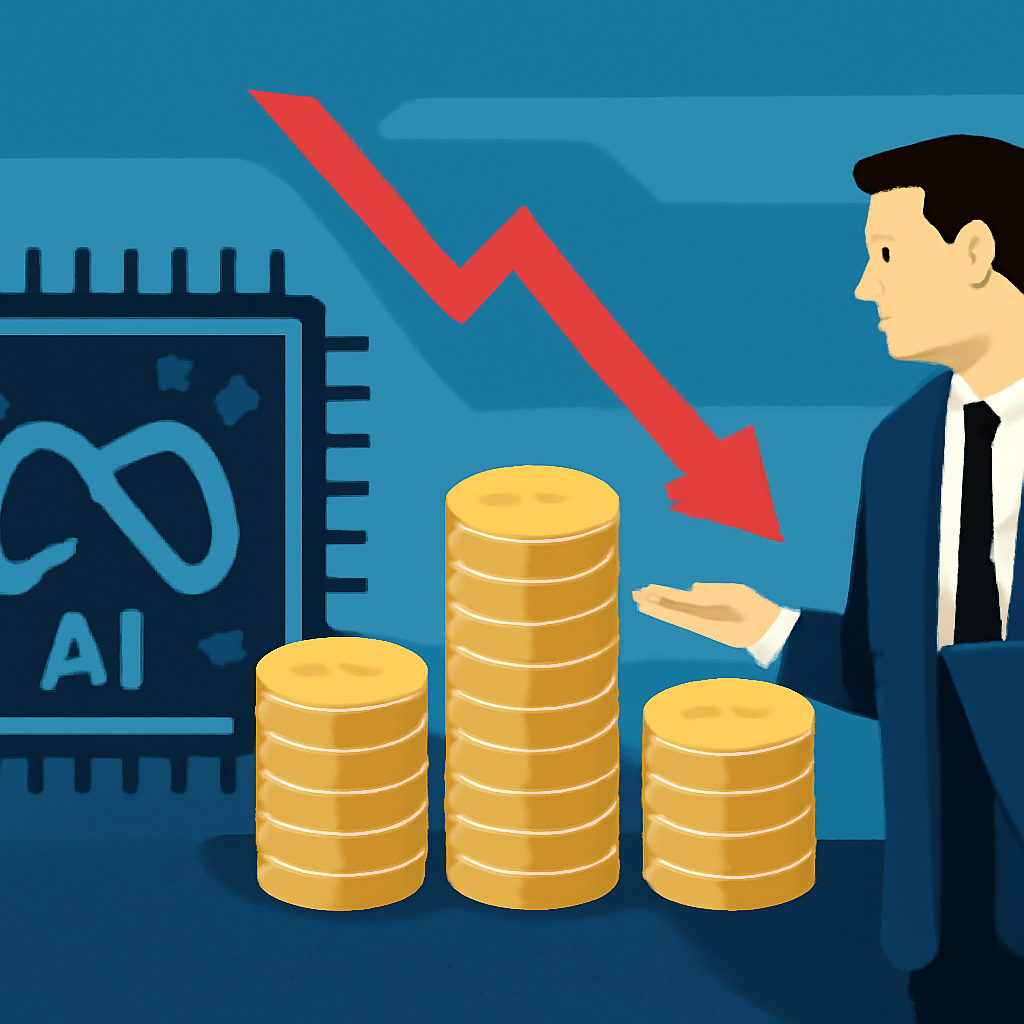
This week, Meta's stock experienced significant volatility, marking a notable 9% increase on Wednesday after reports surfaced about the company's plans to expand its cloud business. This initiative aims to sell excess AI computing power to external customers, a strategic shift from merely using that capacity internally. However, the excitement was short-lived, as CEO Mark Zuckerberg's remarks the following day about slower-than-expected progress on AI agents led to a nearly 5% drop in stock price.
Why this matters
The market's reaction underscores the delicate balance Meta must maintain between investing heavily in infrastructure and demonstrating operational success in AI. Investors initially reacted positively to the potential for monetization through cloud services, which could alleviate previous concerns about Meta's hefty spending on AI infrastructure. However, Zuckerberg's comments reignited doubts about the company's ability to deliver innovative AI solutions, putting the efficacy of their investments into question.
Context
Historically, Meta has faced scrutiny over its financial strategies, especially concerning its commitment to AI and cloud technologies. The company has pledged to invest between $125 billion to $145 billion in AI by 2026, raising eyebrows about the sustainability of such spending without clear revenue streams. Even after posting better-than-expected quarterly results, Meta's stock dropped due to investor anxiety over the significant capital expenditures, illustrating the market's cautious stance.
What this means
The contrasting narratives surrounding Meta—its cloud monetization strategy versus its current struggles in AI development—highlight a critical juncture for the company. While the cloud pivot could position Meta as a significant player in the cloud market, the CEO’s concerns about AI progress signal a potential risk to investor confidence. With the stock still down over 20% from its August highs, the market remains skeptical. Going forward, how Meta addresses these challenges will be crucial in determining its future trajectory in both the cloud and AI sectors.