What Happened
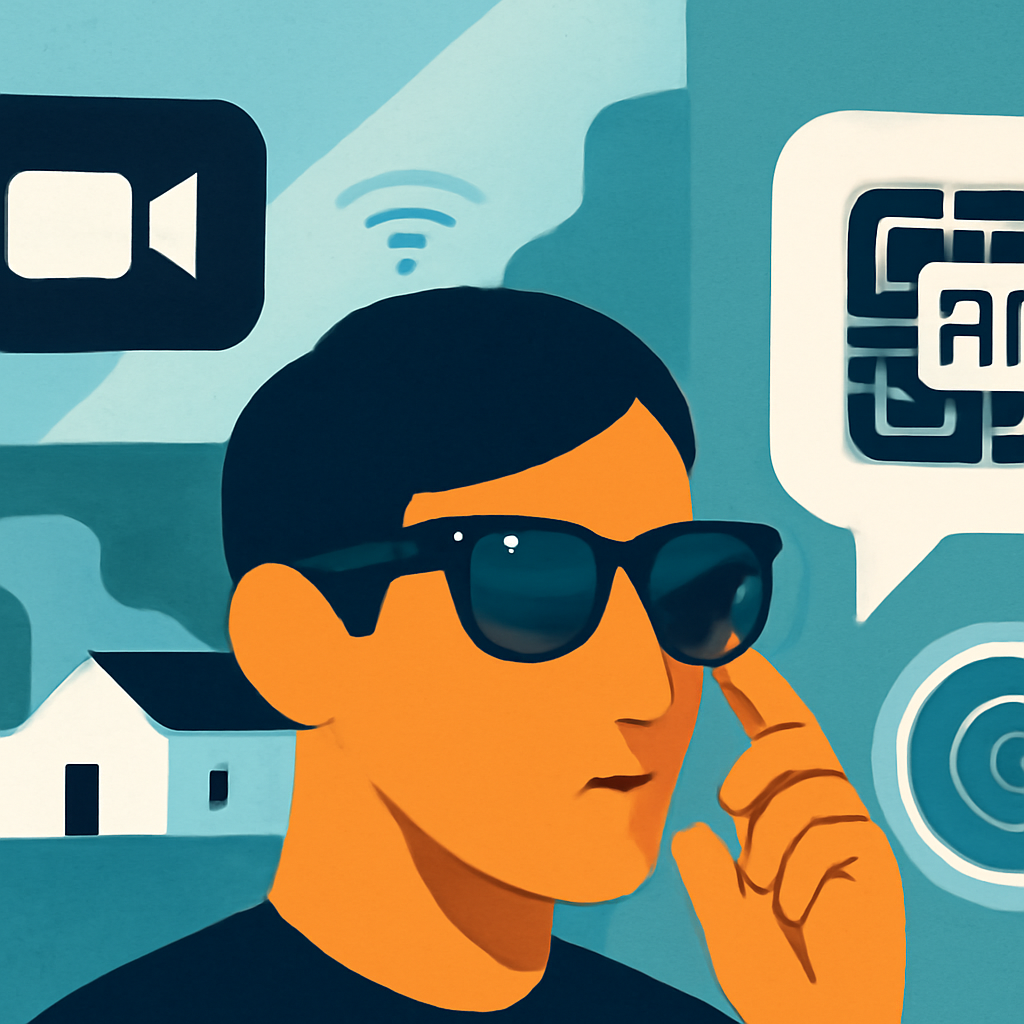
Meta is currently testing a new feature for its upcoming Ray-Ban glasses that allows for continuous AI-assisted functionality, referred to internally as 'super sensing'. This mode enables the glasses to run AI applications for hours, significantly increasing from the 30-minute limit of current models. The technology will be integrated into two new designs, codenamed Aperol and Bellini, slated for release between late 2026 and early 2027.
Why It Matters
The introduction of an always-on mode poses significant implications for privacy and social interaction. Traditionally, the small LED indicator that lights up when the glasses are recording serves as a crucial signal for those nearby, ensuring transparency regarding whether they are being recorded. If this LED could be disabled while the AI runs, it would challenge existing social norms and policies surrounding the use of camera-enabled devices, particularly in workplaces and public events.
Context
The concept of smart glasses with recording capabilities has been around for a while, but privacy concerns have often hindered their acceptance. Existing guidelines typically rely on visible indicators to inform people when they are being recorded. By considering a feature that could potentially obscure this indication, Meta is navigating uncharted territory that could redefine how these devices are perceived and regulated.
What It Means
If Meta proceeds with the always-on mode without a visible recording light, it could lead to a significant shift in the way smart glasses are governed. Companies and event organizers may need to revisit their policies to address the new reality of continuous recording capabilities. This change could either foster more innovative uses of technology or spark a backlash over privacy violations, depending on how society adapts to these advancements.