What Happened
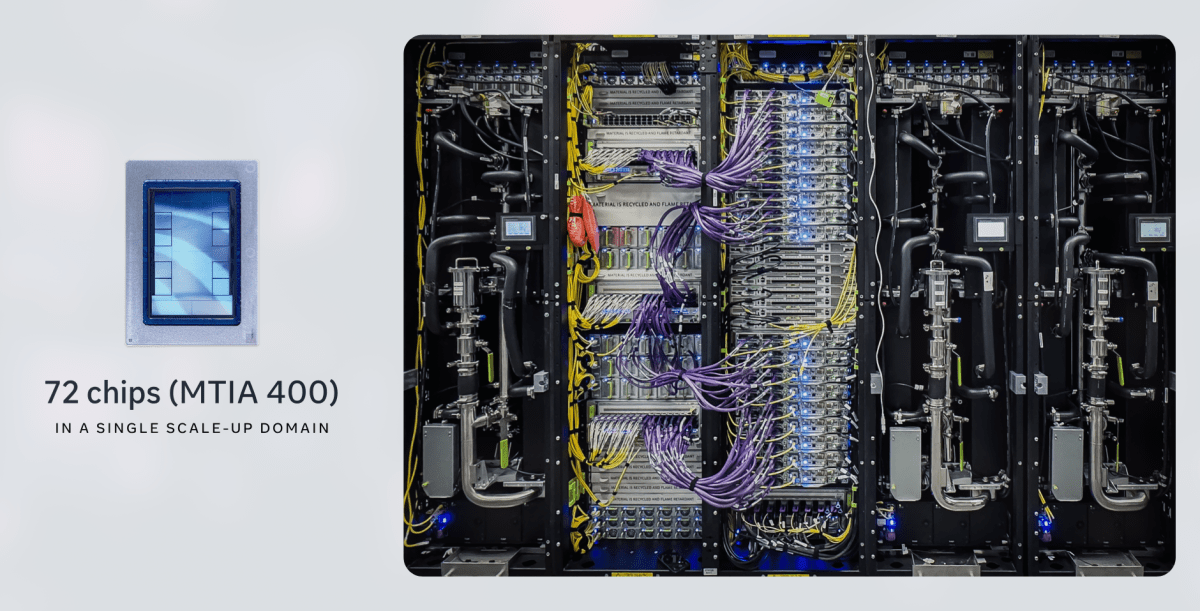
Meta has announced plans to begin production of its latest AI-specific chips starting in September. This move is part of the company's broader strategy to reduce its dependence on external GPU providers like Nvidia, which have become increasingly costly in recent years.
Why It Matters
By developing its own AI chips, Meta aims to gain more control over its hardware and reduce operational costs associated with using third-party GPUs. This shift could lead to better performance and efficiency for Meta’s AI applications, ultimately enhancing user experience across its platforms. Furthermore, it could set a precedent in the tech industry, encouraging other companies to invest in their own custom chip designs.
Context
Historically, tech giants like Meta have relied heavily on GPUs from specialized manufacturers such as Nvidia to power their AI workloads. However, the increasing demand for AI solutions and the rising costs of these components have prompted companies to consider the feasibility of in-house chip production. Meta's move is reflective of a broader industry trend where companies are looking to create tailored solutions that align better with their specific needs.
What It Means
The commencement of Meta’s chip production could signal a new era in the tech industry where companies prioritize self-sufficiency in hardware. If successful, this initiative may lead to improved performance for Meta's AI-driven services, while also potentially reshaping the competitive landscape of the semiconductor market. As more tech firms follow suit, we could see a significant shift in how AI technologies are developed and deployed in the future.