What happened
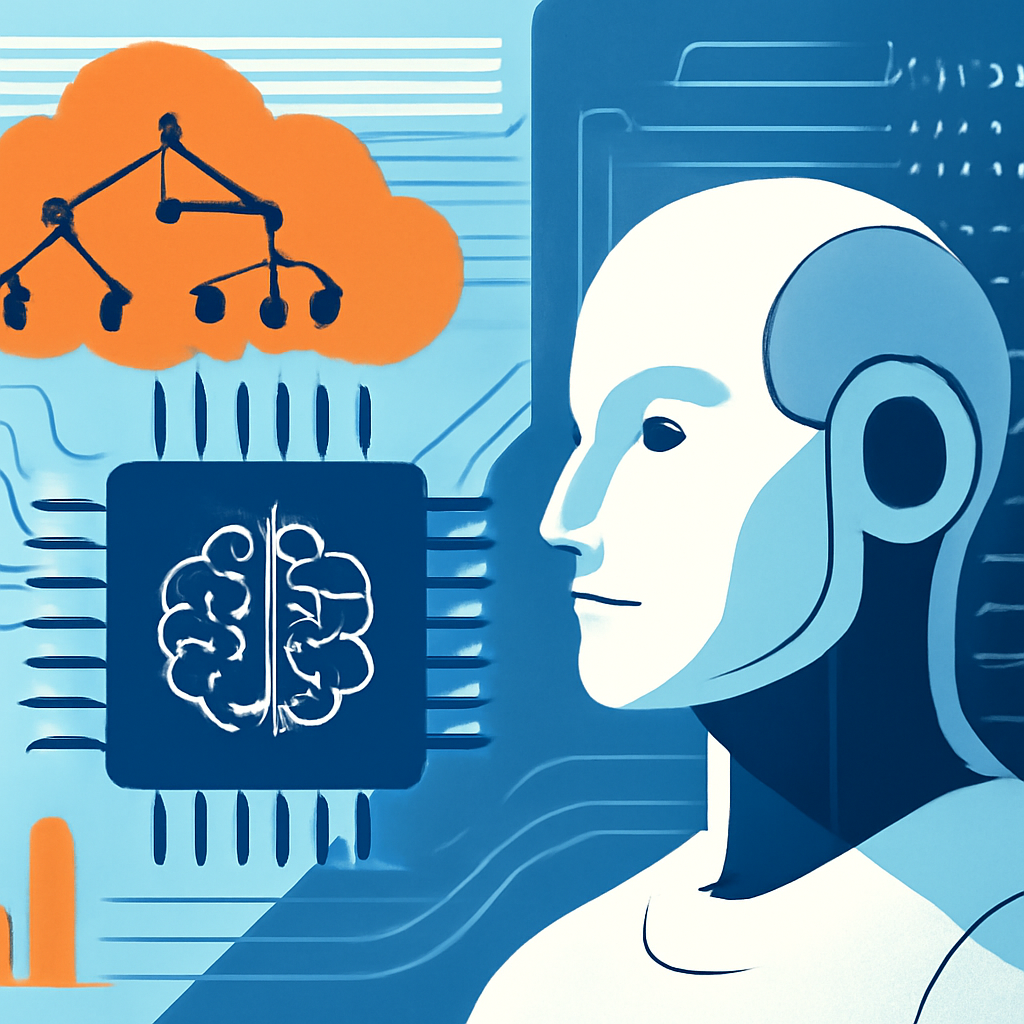
Hierarchos is a groundbreaking language model boasting 232 million parameters, designed with a unique hybrid architecture that deviates from the traditional Transformer design. Instead of relying on the popular attention mechanism, Hierarchos combines recurrent memory, hierarchical processing, and explicit memory retrieval to enhance its performance while maintaining a smaller size. The model was trained from scratch, showcasing its ability to manage short-term instructions effectively.
Why this matters
The successful development of Hierarchos suggests that smaller, memory-augmented models can compete with larger ones, potentially reshaping the landscape of AI development. This model proves that innovative architectures can lead to significant improvements in efficiency without the need for extensive scaling, which often results in increased costs and resource consumption. By demonstrating that a smaller model can maintain coherence and performance, Hierarchos opens up new avenues for research and application in AI.
Context
As the field of language models has grown, the Transformer architecture has dominated due to its scalability and performance. However, the Hierarchos project seeks to explore alternative architectures that leverage recurrent networks and memory mechanisms, inspired by previous models such as RWKV and Titans. This approach is part of a broader trend in AI research, where scientists are looking to optimize models for specific tasks rather than simply increasing size.
What this means
The findings from Hierarchos indicate a viable path for future AI development, emphasizing the importance of architectural diversity in achieving efficient language processing. While the model currently shows limitations in handling long contexts and certain computational tasks, its ability to produce coherent responses from a smaller parameter set demonstrates the potential for creating more accessible and efficient AI solutions. Future work will focus on scaling and isolating components to refine its capabilities further, potentially leading to a new generation of memory-augmented assistants that are both effective and resource-conscious.