What Happened
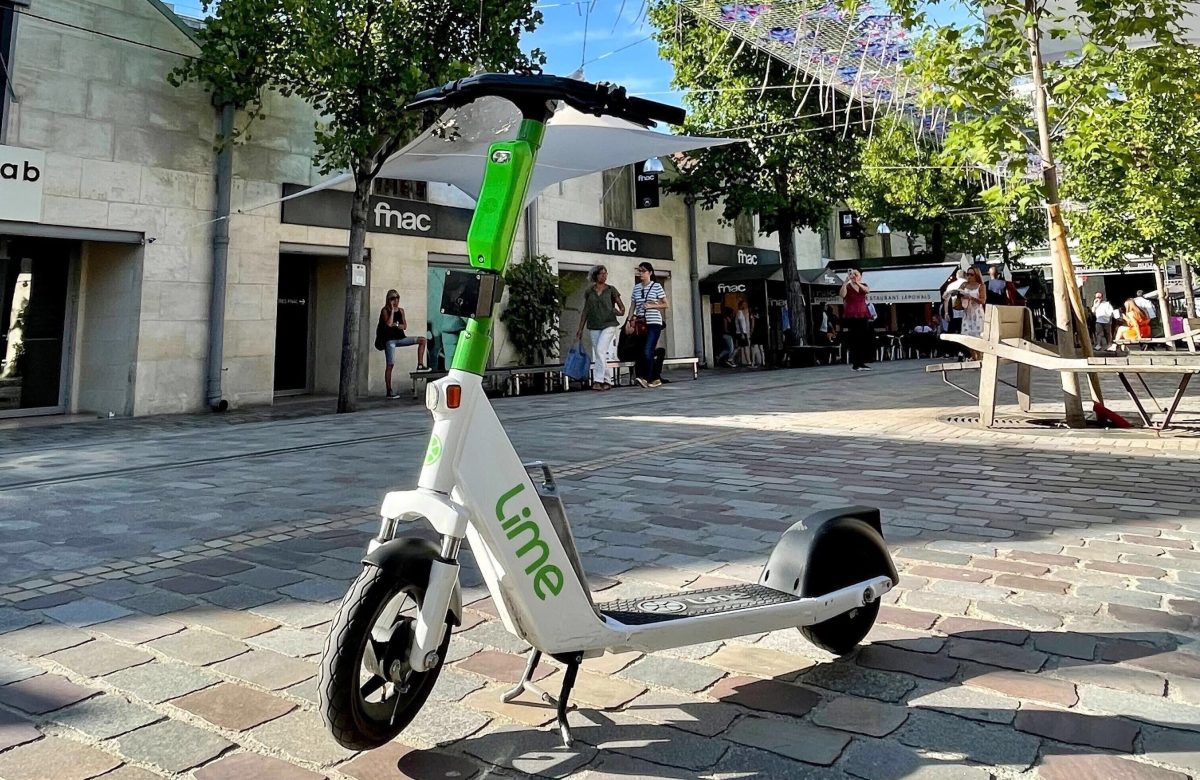
Lime, the popular scooter and bike-share company, has officially transitioned into a public company. This move comes after nearly a decade of navigating various uncertainties in its business model and market dynamics. The company has indicated that it aims to raise funds through this public offering to manage its substantial liabilities, which amount to approximately $1 billion.
Why It Matters
The decision to go public is a significant step for Lime, as it seeks to stabilize its financial position and attract more investment. By entering the stock market, Lime hopes to gain access to essential capital that can be used not only to pay down debts but also to invest in growth and innovation. This could reshape the competitive landscape of micro-mobility services by enabling Lime to expand its operations and improve its offerings.
Context
Founded nine years ago, Lime has faced a rollercoaster ride in the gig economy, marked by rapid expansion and subsequent scrutiny over profitability and sustainability. The company's challenges have been compounded by the pandemic, which disrupted urban transportation patterns and led to fluctuating demand for shared mobility services. Despite these hurdles, Lime has remained a prominent player in the micro-mobility sector, and going public marks a pivotal moment in its evolution.
What It Means
Lime's public listing reflects both an opportunity and a risk. While the influx of capital can help the company stabilize its finances and invest in future technologies, it also places pressure on Lime to deliver profits and maintain investor confidence. As the micro-mobility market continues to grow, Lime's ability to successfully navigate these challenges will be crucial in determining its long-term viability and competitiveness in the industry.