What Happened
A significant outbreak of cyclospora, a diarrheal parasite, has been reported in Michigan, with cases skyrocketing to over 3,300 this year alone. This is a dramatic increase from the typical 50 cases reported in previous years. The outbreak has raised concerns, particularly as 44 individuals have required hospitalization due to severe symptoms including watery diarrhea, abdominal pain, and nausea.
Why It Matters
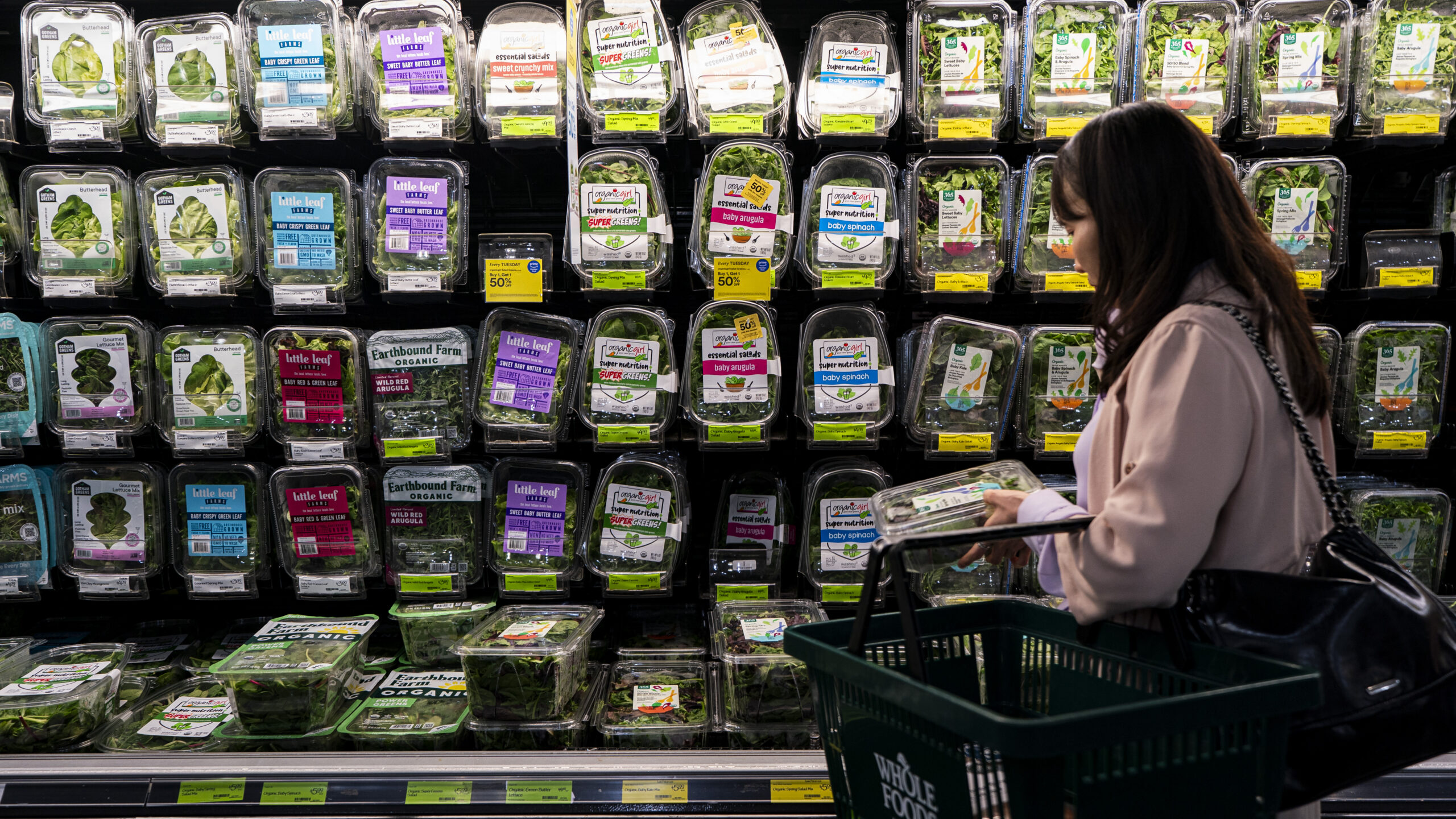
The surge in cyclospora cases is alarming, not just for those affected but also for the food industry at large. Leafy greens, specifically lettuce and salad greens, are now being scrutinized as potential carriers of the parasite. This situation can lead to significant public health concerns and may affect consumer trust in certain food products, prompting restaurants and grocery stores to evaluate their sourcing and food safety practices.
Context
Cyclospora is not new; it has been a recognized foodborne pathogen for years. However, outbreaks are often linked to fresh produce. The current situation in Michigan showcases how quickly a localized issue can escalate into a widespread health crisis, especially when it involves commonly consumed foods.
What It Means
The findings from interviews conducted with over 1,000 affected individuals suggest that salad greens are likely the source of this outbreak. Health officials are now faced with the challenge of tracing the exact origins of the contaminated greens to prevent further spread. For consumers, this serves as a reminder to stay informed about food safety and to be cautious with fresh produce until more information is available.