What Happened
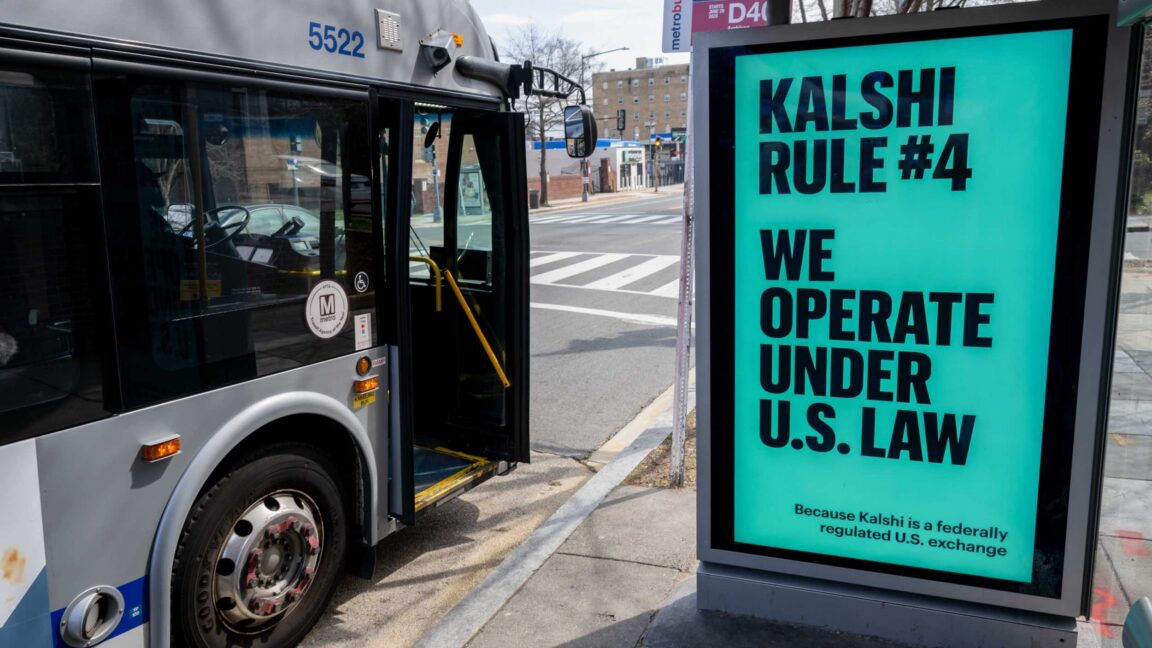
Kalshi, a prediction market platform, faced a significant setback when a federal judge dismissed its attempt to bypass New York's stringent gambling regulations. The ruling reinforces the state's authority over gambling laws, emphasizing that Kalshi cannot operate outside these legal boundaries. Following the decision, Kalshi announced its intention to appeal, seeking a higher court's intervention.
Why It Matters
This ruling is pivotal not only for Kalshi but for the entire landscape of prediction markets in the U.S. It raises crucial questions about the relationship between state and federal laws concerning gambling. If Kalshi's appeal fails, it might set a precedent that could discourage other prediction market operators from entering states with strict gambling laws, impacting innovation and competition within the industry.
Context
New York has some of the most comprehensive gambling regulations in the country, aimed at consumer protection and maintaining the integrity of gaming. This case is one of many where courts are asked to determine whether state gambling laws can be overridden by federal regulations. The ongoing legal challenges reflect the complexities involved in defining and regulating new market forms like prediction markets, which blend elements of gambling and financial forecasting.
What It Means
The outcome of Kalshi's appeal will be closely watched as it could shape the future of prediction markets across the United States. If Kalshi succeeds, it could pave the way for more flexible regulations, potentially opening the door for similar platforms to operate in states with strict laws. Conversely, if the ruling stands, it will underscore the dominance of state regulations in the gambling sector, possibly limiting the growth of innovative market models in the region.