What Happened
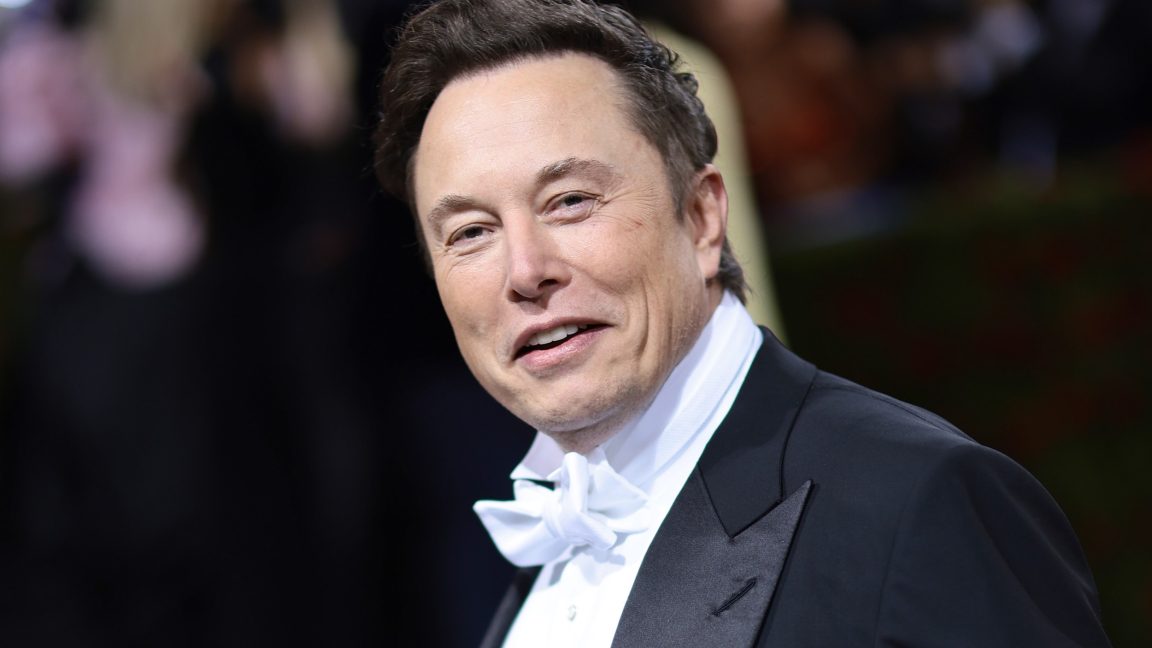
A federal judge has given the green light to a $1.5 million settlement between Elon Musk and the Securities and Exchange Commission (SEC). However, Judge Sparkle Sooknanan voiced strong reservations about the agreement, suggesting it might not adequately address Musk's alleged violations that impacted Twitter investors.
Why It Matters
This approval raises questions about the effectiveness of regulatory bodies like the SEC in holding powerful figures accountable. Musk's lenient settlement could set a precedent, possibly encouraging others to view violations as manageable risks, rather than serious offenses. Investors might feel uneasy knowing that such settlements seem to allow influential individuals to escape harsher penalties.
Context
The judge's hesitation isn't without precedent. Previously, she had raised alarms about potential corruption influencing the SEC's decision-making process in this case. There has been ongoing scrutiny of how regulatory bodies enforce rules, especially regarding high-profile figures in the tech industry. The case reflects broader tensions between regulatory enforcement and the interests of influential entrepreneurs.
What It Means
While the court approved the settlement due to legal constraints, it underscores a significant divide between public expectations for accountability and the realities of legal agreements. The ruling suggests that the public may need to rely on electoral processes to push for stronger regulatory accountability. As the landscape of tech regulation evolves, the implications of this case could resonate beyond Musk, affecting future enforcement actions and investor trust in regulatory oversight.