What Happened
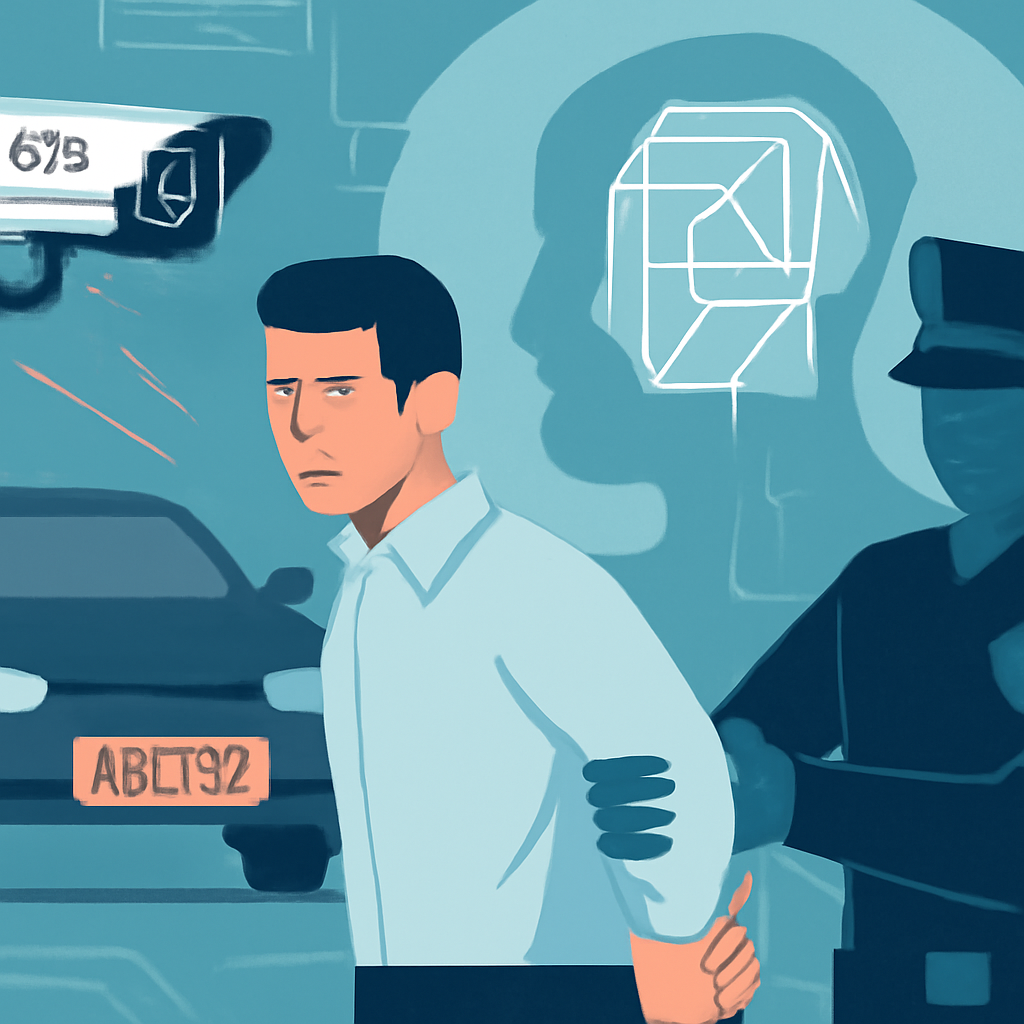
A recent incident in a Minnesota suburb serves as a vivid example of how technology can fail. A journalist, who writes for an automotive website, found himself at risk of arrest when Flock's smart cameras mistakenly identified him as a criminal. The police received a false alert and attempted to detain him in a Kohl's parking lot.
Why This Matters
This case raises significant questions about the reliability of facial recognition technologies and their use in law enforcement. If systems designed to enhance safety lead to wrongful arrests, it can undermine public trust in law enforcement and raise concerns about civil rights violations. Moreover, such situations could lead to legal repercussions for both the police and the technology developers.
Context
Facial recognition systems and smart cameras are becoming increasingly common in crime-fighting efforts. Flock, a company that develops such technologies, claims their cameras assist in identifying suspects and preventing crimes. However, as this incident illustrates, errors can occur, prompting inquiries into the accuracy and ethics of applying these solutions in real life.
What It Means
The incident involving the journalist highlights the need for careful vetting and oversight of facial recognition technologies. Society must demand a higher degree of transparency and accountability from law enforcement and developers. Otherwise, failures in these systems can lead to serious consequences, including wrongful arrests and a loss of trust in law enforcement. This case serves as a warning that technology must be used wisely and cautiously to avoid harming innocent individuals.