What happened
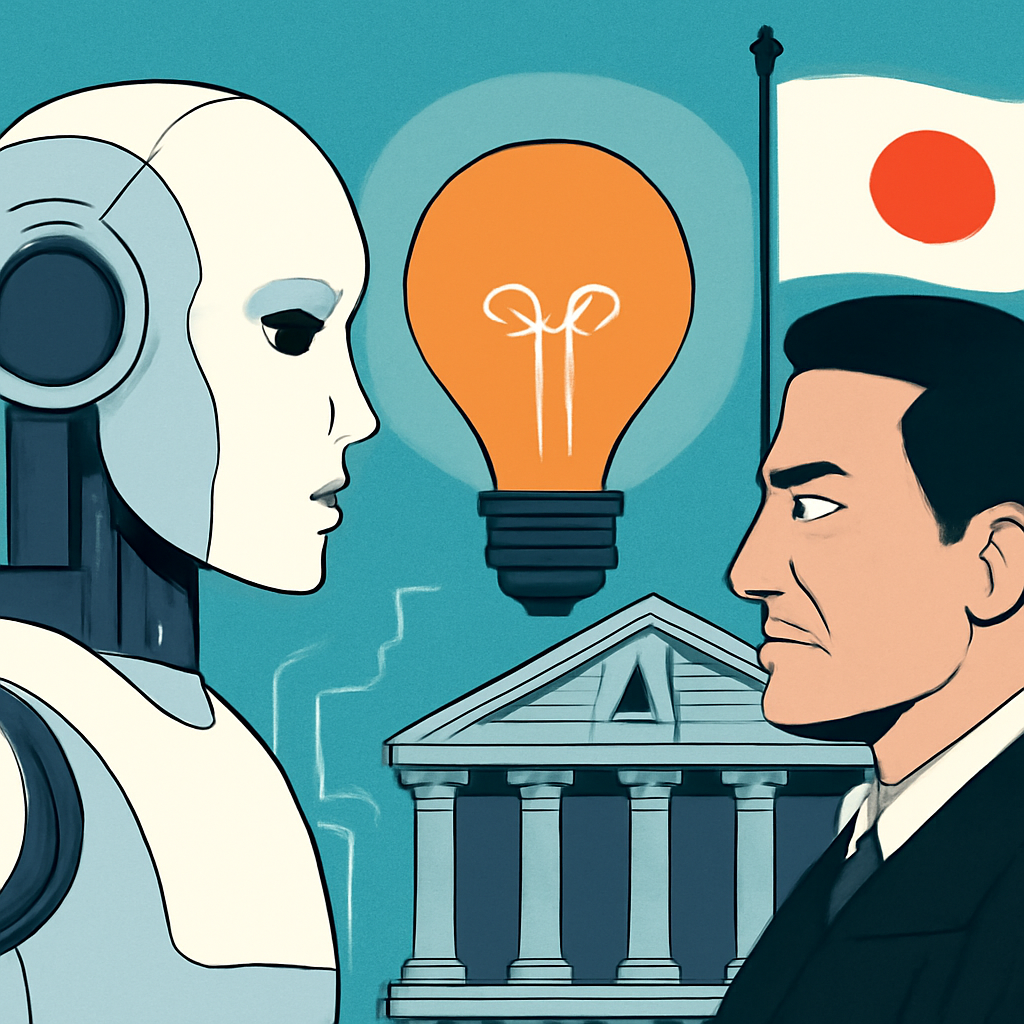
Japan's Supreme Court has made a significant ruling: artificial intelligence cannot be recognized as an inventor on patent applications. This decision comes in response to a case where an AI system was credited with creating a new invention, raising questions about the legal framework surrounding patents and who qualifies as an inventor.
Why this matters
The ruling has important implications for the tech industry and intellectual property rights. By determining that only humans can be listed as inventors, the court is reinforcing the traditional view of innovation, potentially limiting how companies can protect AI-generated inventions. This could affect startups and established firms alike, as they navigate the complexities of patenting innovations developed through AI technology.
Context
The issue of AI and patent law has been a topic of discussion globally, as advancements in machine learning and AI capabilities continue to evolve. Various jurisdictions are grappling with how to handle intellectual property when the creative process involves non-human entities. Japan's court ruling aligns with similar decisions in other countries, highlighting the ongoing struggle to adapt legal frameworks to modern technological realities.
What this means
This ruling could lead to a more cautious approach in patenting AI-related inventions, as companies may need to rethink how they attribute ownership and inventorship. It emphasizes the importance of human input in the creative process, possibly slowing down the pace of innovation in fields increasingly reliant on AI. As the landscape of technology continues to change, this decision could prompt further legal discussions and potential reforms in patent law to better accommodate the role of AI in invention.