What Happened
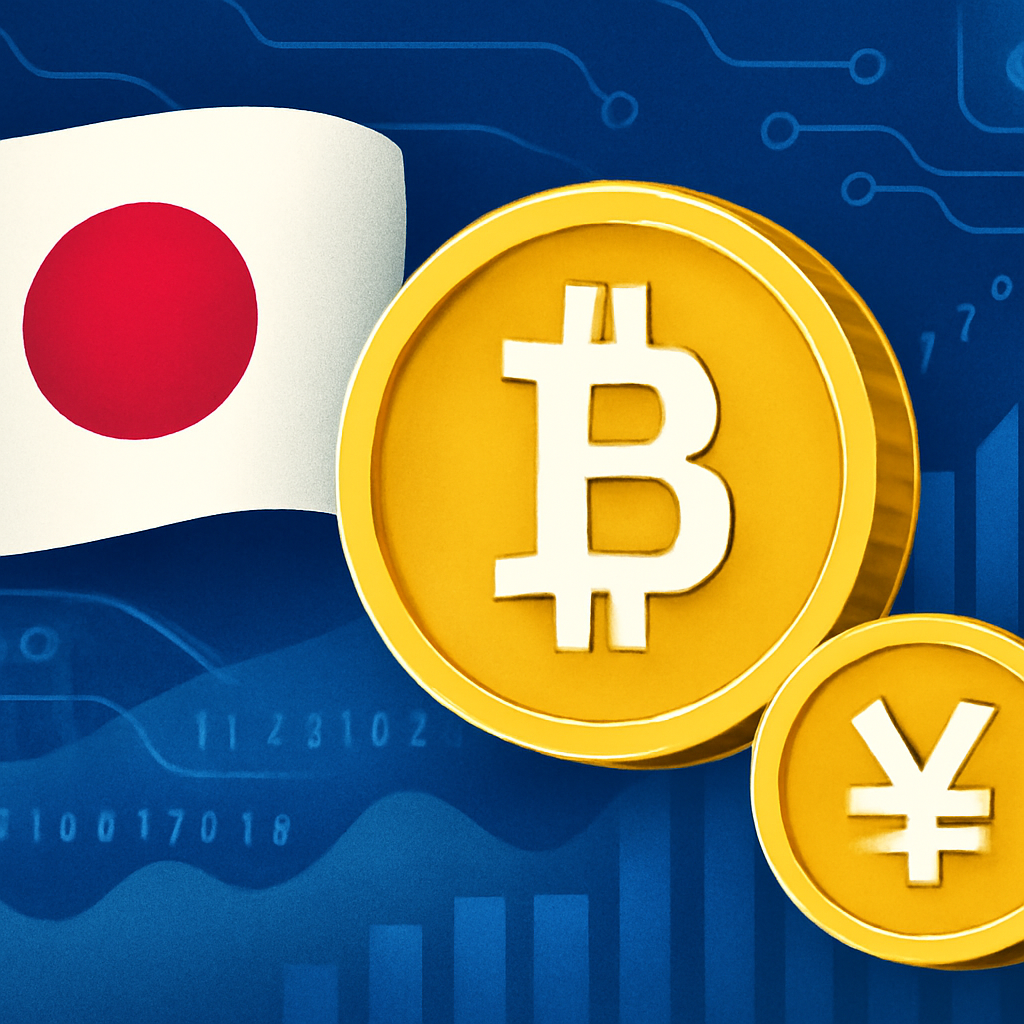
Japan's upper house committee has recently approved a proposal to classify cryptocurrencies as financial instruments under the Financial Instruments and Exchange Act (FIEA). This significant shift moves cryptocurrencies out of the Payment Services Act, aligning them more closely with traditional financial assets like stocks and bonds. A full vote from the upper house is anticipated soon, but given the ruling party's control over both legislative chambers, the proposal is expected to pass without major hurdles.
Why It Matters
This reclassification is anticipated to have substantial implications for the Japanese cryptocurrency market. One of the most notable changes includes a reduction in the crypto tax rate from a steep progressive structure, which can reach up to 55%, to a flat rate of 20%. Although this tax reform will not take effect until 2028, it signals a move towards a more favorable environment for cryptocurrency trading. Additionally, the new regulations will introduce stricter oversight, including insider trading prohibitions and mandatory annual disclosures, potentially leading to increased investor confidence and greater institutional involvement in the market.
Context
The journey toward this regulatory shift began with a cabinet approval in April and subsequent passage in the lower house in June. Japan's crypto landscape has been characterized by high tax rates that have deterred trading volume despite the country's technological adoption. With more than 13 million crypto accounts in Japan, the government recognizes the need to modernize regulations to support the growing interest in digital assets.
What It Means
The impending classification of cryptocurrencies as financial assets under the FIEA could pave the way for significant changes in how these assets are treated legally and financially in Japan. The new framework is expected to facilitate the introduction of spot crypto ETFs on the Tokyo Stock Exchange by 2027 or 2028. Stricter penalties for unlicensed operators and enhanced disclosure requirements are also set to create a more transparent market. Collectively, these developments indicate Japan's commitment to aligning its regulatory framework with international standards and fostering a more robust cryptocurrency market.