What happened
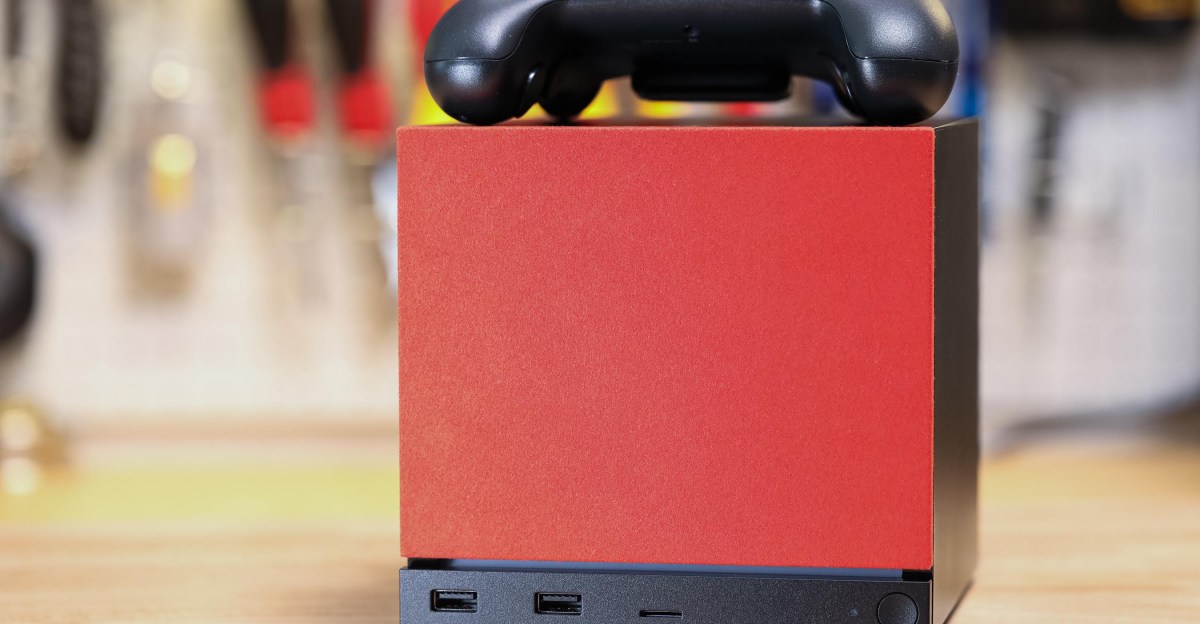
The Steam Machine, Valve's new gaming device, has launched with a starting price of $1,049. This mini-PC offers a blend of gaming console features and PC capabilities, making it a unique entry in the gaming market. The base model comes with 512GB of storage, while a more premium version with 2TB storage and additional faceplates is priced at $1,349.
Why this matters
The price point of the Steam Machine raises questions about its value compared to other gaming systems like the PlayStation 5. At nearly twice the PS5's cost, potential buyers need to consider what they are getting for their money. Valve claims to be selling the Steam Machine at cost, which implies that the technology and components used in the machine are what drive the price rather than a typical retail markup. This sets the stage for a conversation about the long-term benefits of owning a gaming PC versus a console.
Context
The Steam Machine is part of Valve's broader strategy to penetrate the console market and promote PC gaming. This device is designed to run SteamOS, a Linux-based operating system, which is tailored for gaming. Unlike traditional consoles, which have fixed hardware, the Steam Machine represents a shift towards customizable gaming experiences, albeit in a compact form factor. The idea is to provide gamers with the flexibility of a PC within the constraints of a console-like experience.
What this means
Building your own Steam Machine could be a viable option if you're looking to save money or customize your gaming experience. However, replicating the exact specifications of Valve's offering is complex due to the unique design and components. The investment in a Steam Machine could be justified for dedicated gamers looking for a powerful, compact machine that can handle a range of gaming experiences beyond just console titles. Ultimately, the decision will hinge on whether the user values the flexibility of a PC over the simplicity of a console.