What Happened
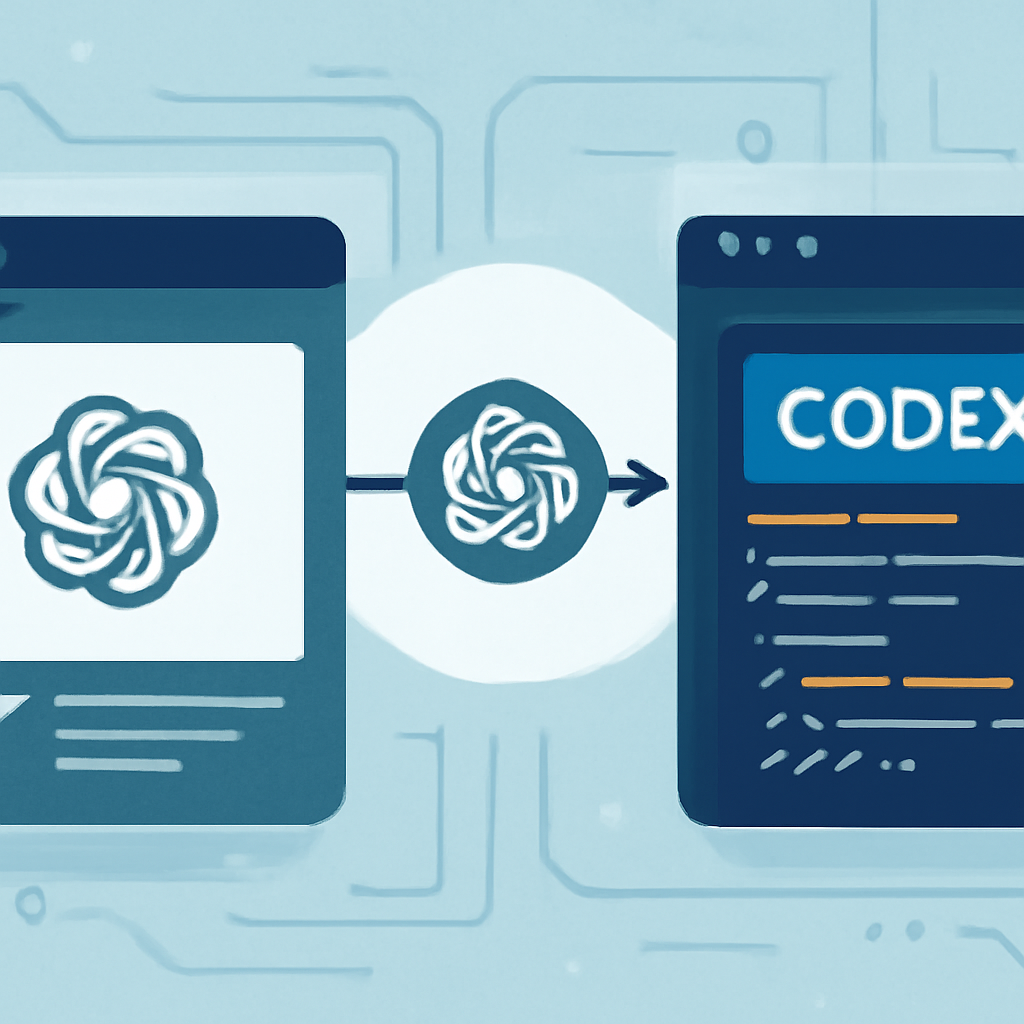
A recent exploration revealed that ChatGPT possesses capabilities similar to Codex, allowing it to function as a powerful multi-agent system. By integrating these two technologies, a user was able to leverage ChatGPT's advanced reasoning and planning abilities to assist with a local CAD task, showcasing its potential to enhance productivity in various workflows.
Why It Matters
This integration signifies a shift in how we can utilize AI tools for complex tasks. Instead of relying on Codex solely for coding and executing commands, ChatGPT's strength in high-level reasoning allows it to effectively oversee and manage tasks while Codex handles the detailed execution. This could lead to more efficient workflows, where AI systems work together in a complementary manner, improving both speed and accuracy in various applications.
Context
Historically, Codex has been recognized for its coding capabilities, especially in executing small, precise tasks. However, as AI technology evolves, systems like ChatGPT are beginning to demonstrate profound reasoning skills that can enhance workflows beyond simple execution. Previous developments, such as allowing ChatGPT to read and write files directly, hint at a future where AI can seamlessly integrate into everyday tasks.
What It Means
The implications of this hybrid approach are significant. By positioning ChatGPT as a planner and reviewer while allowing Codex to focus on execution, users can streamline their workflows and improve outcomes. The ability to standardize this collaboration with an agentic skill adds an important layer of safety and efficiency, paving the way for more sophisticated AI-assisted work environments. This innovation could redefine productivity standards across industries, suggesting a promising direction for the future of AI integration.