What Happened
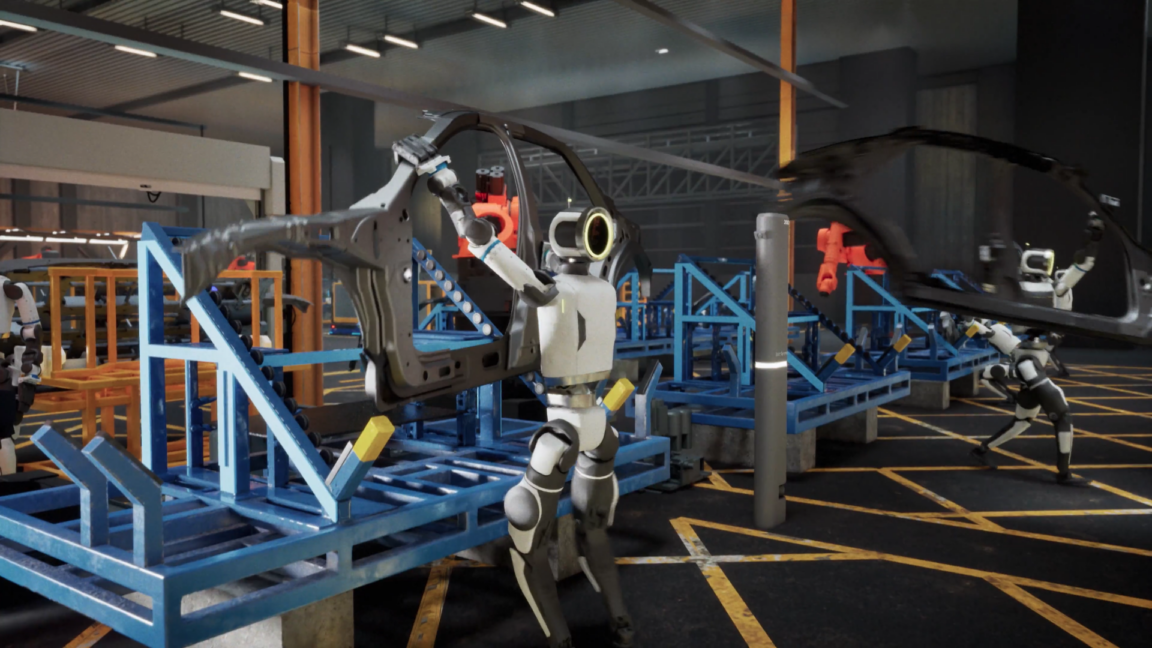
Thousands of Hyundai auto workers in South Korea have begun striking after negotiations with their employer broke down. The dispute centers around the company's plans to introduce humanoid robots, specifically the Atlas model from Boston Dynamics. This strike marks a significant moment in labor history, being the first time workers have taken a stand against the use of humanoid robots in an automotive factory.
Why It Matters
This strike is a critical indicator of the rising tensions between labor and automation. Workers are increasingly concerned that the introduction of sophisticated robots like Atlas could threaten their jobs and alter the factory landscape. The early shifts at Hyundai's Ulsan plant have been curtailed, and planned four-hour strikes are set for later in July, reflecting a strong union response to fears of job displacement. This situation could set a precedent for labor movements in other industries considering similar automation technologies.
Context
Humanoid robots have been evolving rapidly, with companies like Boston Dynamics leading the charge. The Atlas robot, over six feet tall, capable of lifting heavy loads, represents the cutting edge of robotic technology. Hyundai's acquisition of Boston Dynamics has intensified discussions about the future of work in the automotive industry, raising questions about the role of human workers amid increasing automation.
What It Means
The current strike is a strong message from workers about their concerns regarding automation. As companies continue to embrace robotic solutions, they must also address the fears and job security of their human workforce. The outcome of this strike could influence labor relations across various sectors, potentially leading to more organized pushback against automation if workers feel their livelihoods are at stake.