What Happened
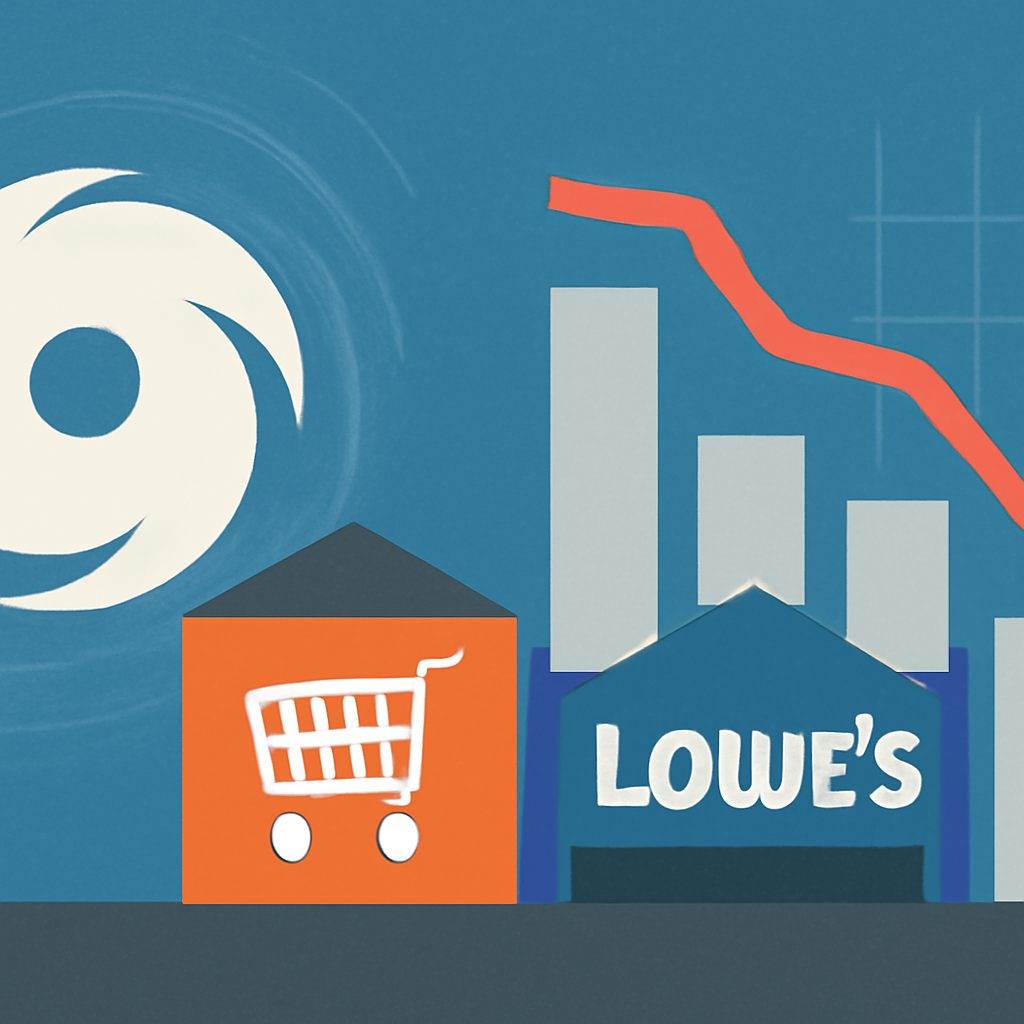
Every year, as June approaches, investors start to think about the upcoming hurricane season and its potential impact on home improvement retailers like Home Depot and Lowe's. The logic is simple: storms lead to damage, and damage leads to rebuilding, which means increased sales for these companies. However, a recent analysis covering 16 years of data from 2010 to 2025 shows that this common belief may not hold true. The study utilized standard academic methods to analyze abnormal returns against the S&P 500, and the results were disappointing for the hurricane trade proponents.
Why It Matters
The findings challenge a widely accepted investment strategy. On average, Home Depot and Lowe's actually underperformed in the days leading up to June 1, with Home Depot down 1.7% and Lowe's down 3.1% compared to the market. This is significant for investors who rely on seasonal trends for their stock picks. It suggests that the market has already priced in the anticipated effects of hurricane season, leaving little room for profit when entering positions based on this narrative.
Context
Historically, the idea of buying shares in home improvement stores before the hurricane season has been rooted in a simple equation: increased demand for materials leads to higher profits. Despite this logic, the market's reaction to the opening of hurricane season is not as straightforward as it seems. The study also examined insurers like Allstate and Travelers, which similarly showed negative returns, reinforcing the notion that this seasonal trade is not as lucrative as many believe.
What It Means
The key takeaway from this analysis is that sound business logic does not necessarily translate into a profitable trading strategy. While it's true that storms can lead to increased sales for home improvement retailers, the market anticipates this demand well in advance. As a result, investors looking to capitalize on this seasonal trend might find themselves on the losing end. The upcoming research aims to determine whether a more accurate trading strategy could emerge by analyzing performance after actual storm landfalls, rather than the start of the season. This ongoing examination highlights the importance of data-driven approaches in investment decisions, especially when confronting popular financial folklore.