The Gist
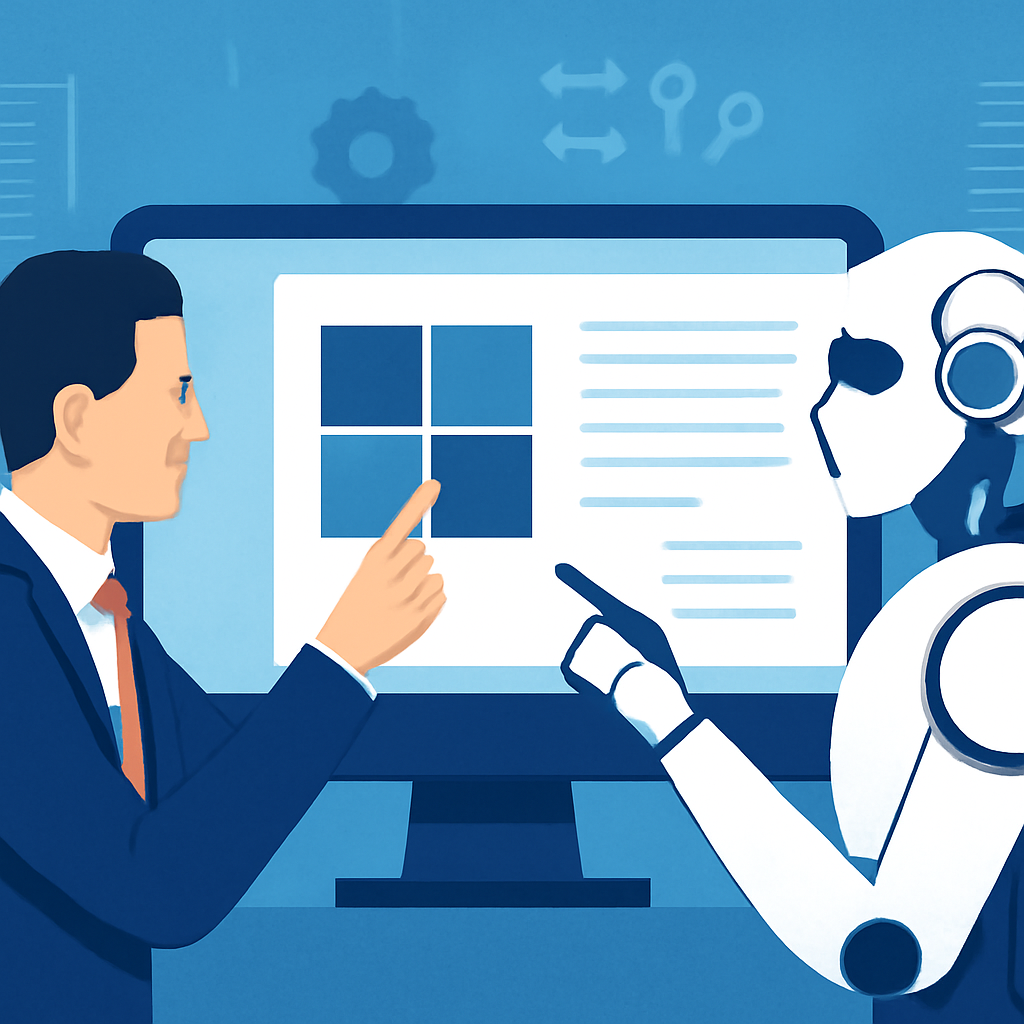
In the era of AI, professionals need to adapt their roles to enhance their value instead of relying solely on AI tools. The key is to use AI as a collaborator that amplifies judgment and expertise, rather than as a replacement for critical thinking.
How It Worked
Experts recommend applying frameworks to guide AI usage, ensuring that AI's output aligns with professional expertise. For instance, Sarah Smith uses the EVOLVE framework to assess data, allowing AI to identify patterns while she interprets their significance. Doug Messer emphasizes using AI to create actionable insights—like developing a target list and messaging—while he decides which accounts are worth pursuing. Oz Rashid advocates for orchestrating AI to handle routine tasks, freeing professionals to focus on strategic decision-making. Stacie Baird suggests using AI to pressure-test ideas, ensuring that human judgment prevails in final recommendations. Tanu Tiwari encourages professionals to automate their workflows proactively, shifting from task execution to orchestration. Lastly, Tim Cakir teaches teams to treat AI as a thought partner, enabling them to focus on high-level judgments.
Results
By implementing these strategies, professionals reported a significant reduction in time spent on routine tasks—up to 50%—while enhancing the quality of their outputs. For example, Doug Messer cut down a week’s work to just an afternoon using AI, prioritizing strategic decision-making over mere execution.
Why It Matters for You
To remain irreplaceable in a world increasingly influenced by AI, start by defining your frameworks and using AI to enhance your decision-making. Focus on automating routine tasks while maintaining control over strategic insights and judgments. This approach not only increases your efficiency but also solidifies your role as a critical thinker and leader in your field.