What Happened
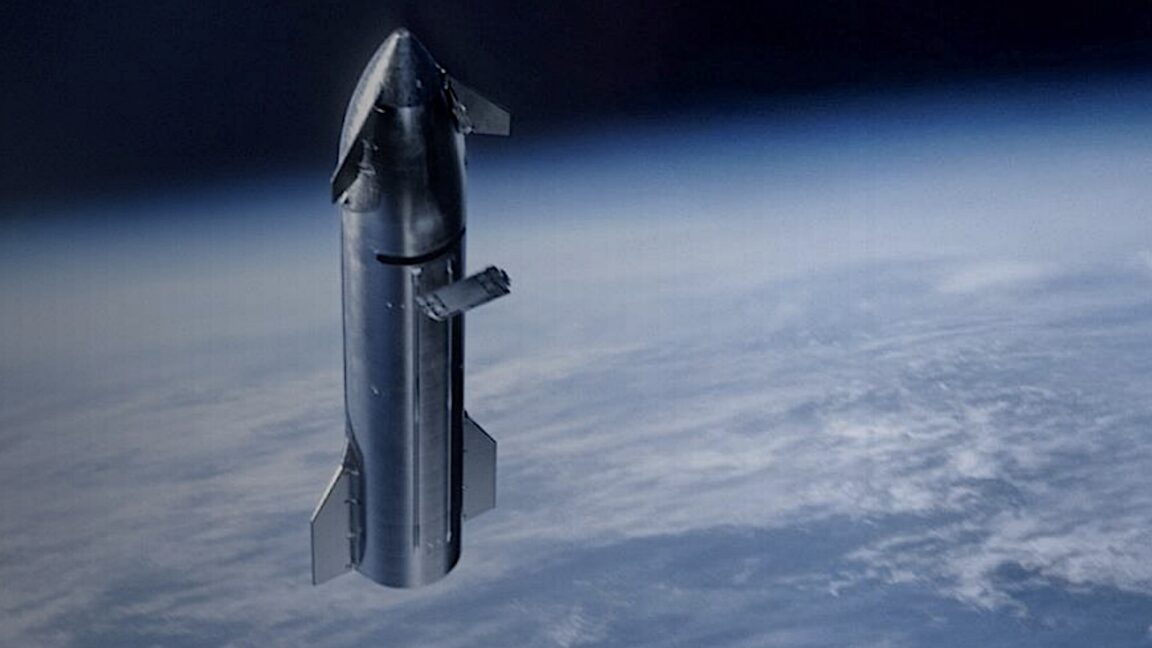
SpaceX's Starship is poised to change the dynamics of the space industry with its impressive payload capacity of over 100 metric tons to low-Earth orbit. This rocket, still in its experimental phase, is anticipated to not only transport significant loads but also enable missions to higher orbits, the Moon, and even Mars. Although its capabilities are largely unproven, there is immense excitement from various sectors about its potential.
Why It Matters
The advent of Starship could reshape how space missions are planned and executed. With the ability to carry large payloads, NASA and the US military are exploring innovative applications, such as lunar missions and logistics for remote conflict zones. The scientific community is particularly eager to leverage Starship's capacity for launching large-scale projects, like advanced space telescopes, which could push the boundaries of our understanding of the universe.
Context
Ten years ago, the idea of a rocket like Starship was largely theoretical, with limited interest outside of SpaceX. However, as the space industry has evolved, the demand for larger and more capable launch vehicles has grown. Competitors, such as China, are now investigating similar technologies, highlighting the increasing global competition in space exploration and innovation.
What It Means
Starship's potential could lead to a paradigm shift in the space industry. With its unprecedented payload capabilities, satellite manufacturers in the US are beginning to adapt their technologies to maximize the benefits of this powerful rocket. If successful, Starship could not only enhance the United States' position in space but also set a new standard for future space missions, elevating the stakes for international competitors and collaborators alike.