What happened
Keurig revolutionized the way we consume coffee, introducing single-cup brewers that allowed users to enjoy fresh coffee anytime, without the hassle of brewing an entire pot. This innovation quickly became popular in offices and homes, providing convenience and a variety of flavors at the push of a button. However, as its popularity soared, so did the environmental impact and criticism surrounding the waste generated by K-Cups.
Why this matters
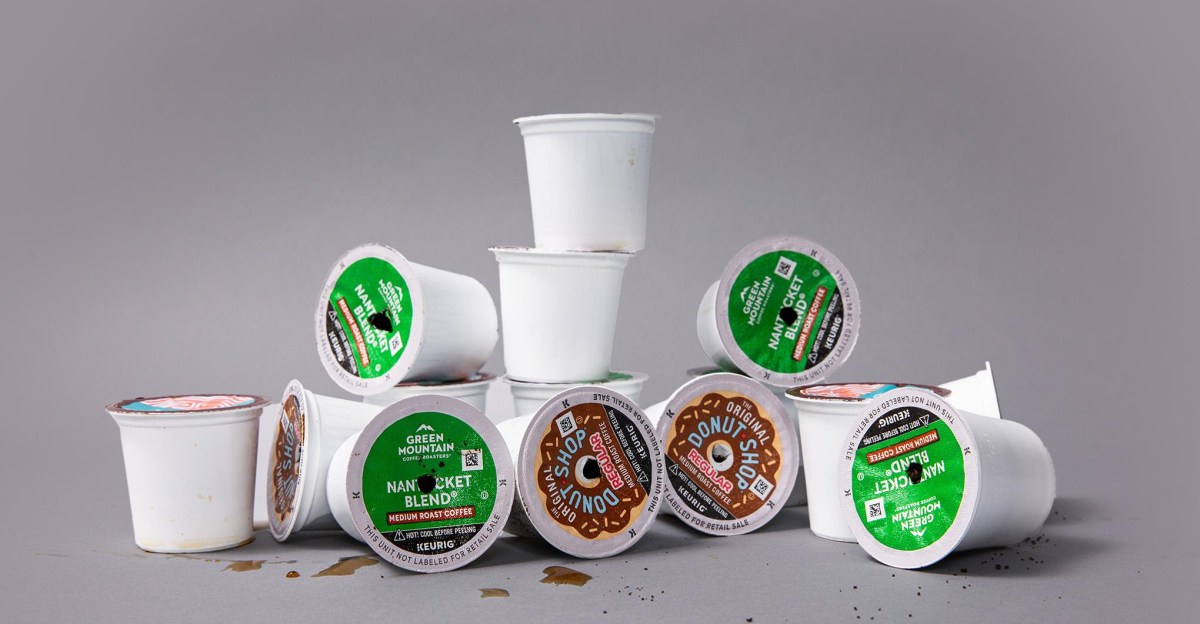
The convenience of Keurig machines brought a new level of accessibility to coffee drinking, but it also led to a surge in plastic waste. Each K-Cup is made from non-biodegradable materials, and as millions of these pods are used daily, concerns about their environmental footprint have grown. This has sparked a conversation about sustainability in the coffee industry, with many users now looking for eco-friendly alternatives.
Context
Before Keurig, coffee in workplaces was often low quality, leading to a lack of enthusiasm for the beverage. The introduction of K-Cups in 1998 changed that landscape, allowing for individual preferences and flavors to be catered to easily. However, as the product gained traction, it also created a reliance on a system that some argue compromises quality for convenience.
What it means
The rise of Keurig highlights a broader trend in consumer behavior where convenience often outweighs sustainability. While many appreciate the ease of single-cup brewing, the environmental implications cannot be ignored. As consumers become more aware of these issues, the coffee industry may need to adapt, potentially leading to more sustainable practices and products. The Keurig phenomenon serves as a case study on the balance between innovation and responsibility in product design.