What Happened
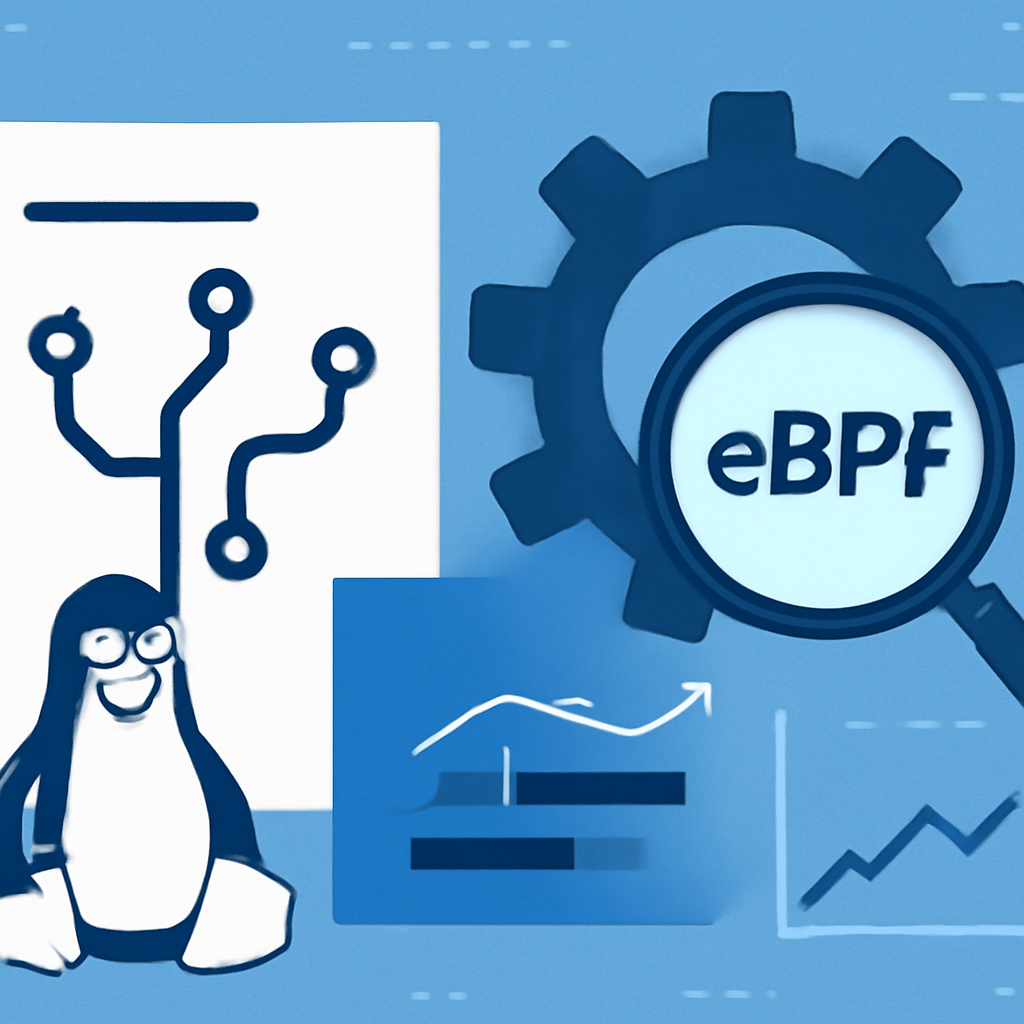
eBPF, short for Extended Berkeley Packet Filter, is gaining traction in the Linux community as a way to execute custom code directly within the kernel. This technology allows developers to write small programs in C, compile them, and load them into the kernel where they can interact with various events in real-time. The process involves compiling the code with clang, verifying its safety through a verifier, and then attaching it to specific kernel events like tracing or packet filtering.
Why It Matters
The implications of eBPF are vast. By enabling developers to run their own code in the kernel, eBPF opens up opportunities for advanced performance monitoring, security enhancements, and network optimizations. For instance, it's utilized for tracing application behavior or filtering network packets at a very low level, which can lead to more efficient resource use and improved system security. However, the power of eBPF also necessitates caution, as it can be a double-edged sword when not handled properly.
Context
Historically, the Linux kernel has been a closed environment for custom code execution due to safety and stability concerns. Traditional methods of kernel modification required deep knowledge and could lead to system instability. eBPF changes the game by providing a controlled environment where code can be executed safely. The verifier plays a crucial role here, ensuring that any code loaded into the kernel adheres to safety protocols. This has made eBPF attractive for developers looking to enhance Linux functionality without the risk of crashing the system.
What It Means
While eBPF offers significant advantages, its potential risks must not be overlooked. The verifier acts as a safety net, but if someone with malicious intent gains the ability to load arbitrary eBPF programs, the consequences could be severe. This highlights the importance of securing access to eBPF functionalities. As more developers embrace eBPF for its flexibility and efficiency, understanding both its capabilities and risks will be essential for maintaining the integrity and security of Linux systems.