What Happened
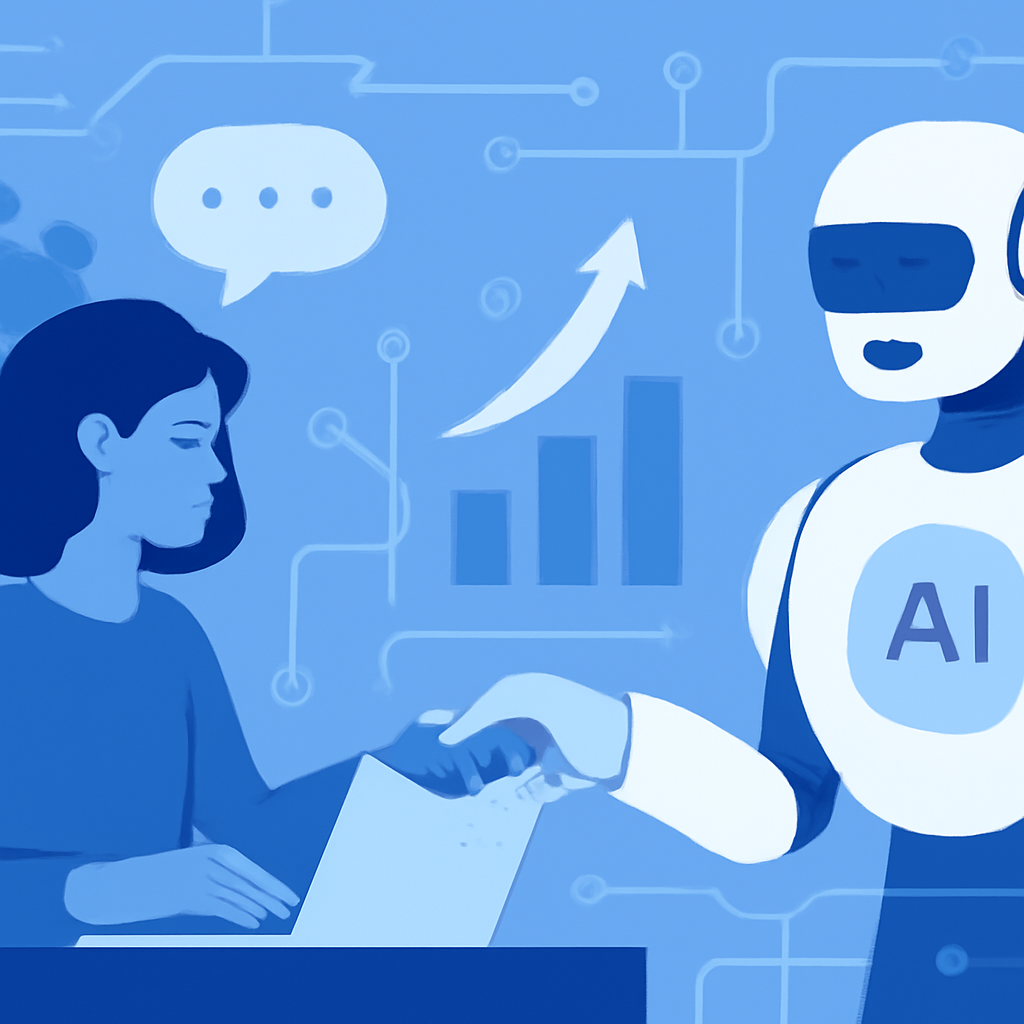
Recent developments in AI suggest a shift from viewing agents as standalone tools to envisioning them as part of a collaborative ecosystem. This evolution allows AI agents to not only perform tasks individually but also to connect and work together towards common goals. Projects like AnvitaFlow are pioneering this concept by creating an on-chain agent collaboration network, enabling various agents to discover and utilize each other's capabilities.
Why It Matters
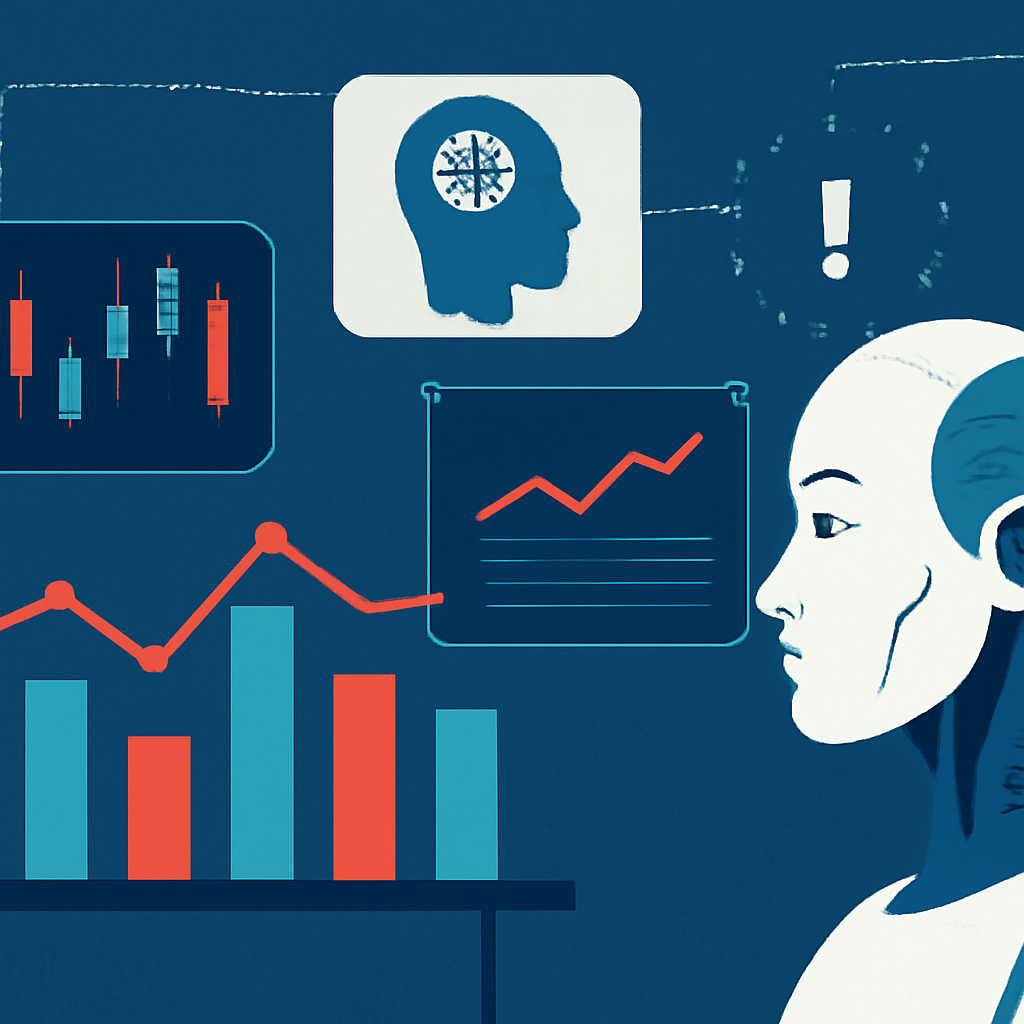
The emergence of collaborative AI agents could significantly impact the technology landscape. If agents can autonomously find and leverage each other’s skills, it may lead to the formation of an "AI economy," where specialized skills are offered as services. This could pave the way for a competitive marketplace where agents are evaluated based on their expertise, reliability, and pricing, transforming how businesses and individuals utilize AI.
Context
Historically, AI has been perceived primarily as a tool for automation or assistance in specific tasks. However, advancements in AI technology are prompting a rethinking of this role. The concept of agents forming networks is being explored by platforms like Moltbook, which delve into how agents could interact and build communities. This shift is still in its infancy, but it hints at a broader potential for AI integration in various sectors.
What It Means
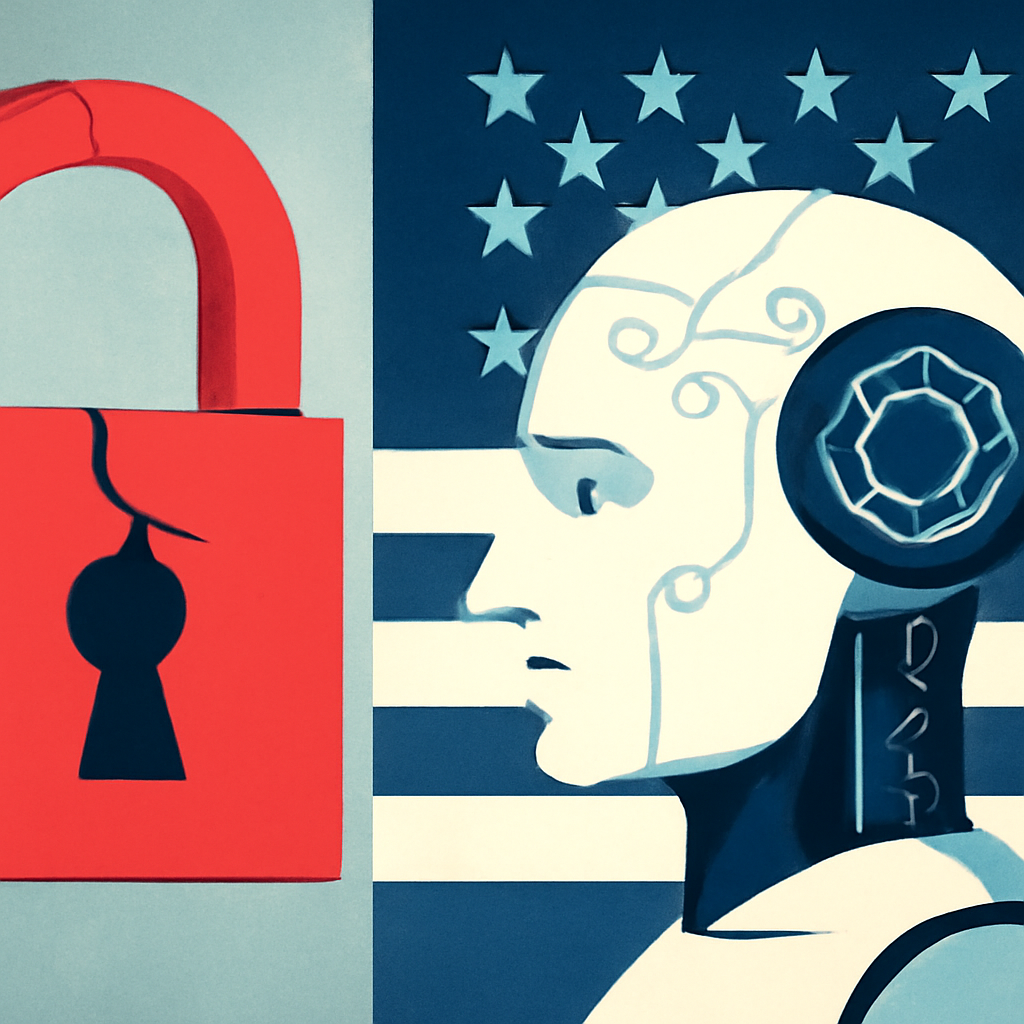
The potential for AI agents to collaborate opens up numerous possibilities and challenges. While it could enhance efficiency and innovation, it also raises essential questions about trust and accountability. For instance, how do we establish trust with an agent we haven't interacted with before? Who is liable for decisions made by autonomous agents? As we stand on the brink of this new frontier, the transition from viewing AI as mere tools to recognizing them as collaborative networks could redefine the future of technology and its role in our lives.