What Happened
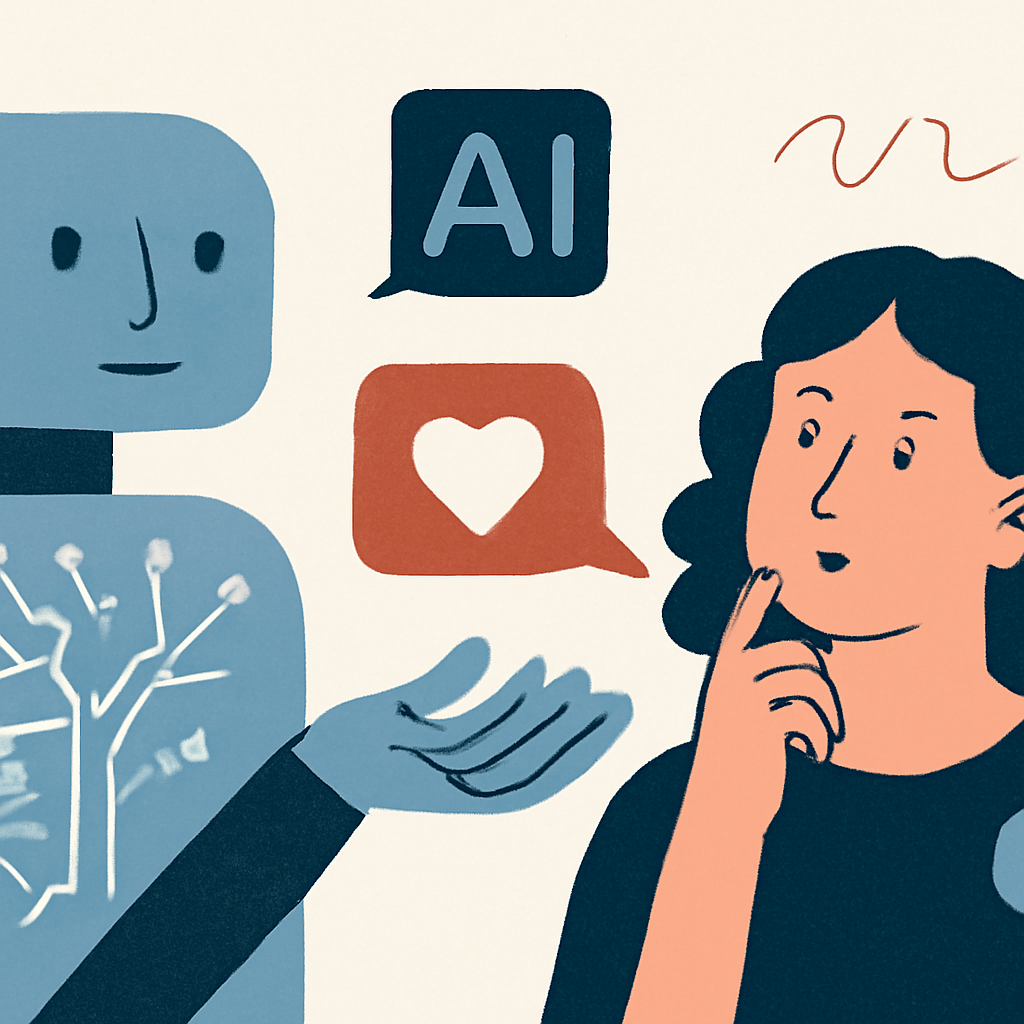
A new study has tested the ability of large language models (LLMs) to simulate human preferences by evaluating them against thousands of real users. The researchers conducted 28 real-world studies involving 78 choice tasks where LLMs were tasked with predicting human choices. The outcome showed that these AI models only matched the majority opinions of actual participants about 53% of the time, which is akin to flipping a coin.
Why It Matters
This finding raises significant concerns about the growing trend of using LLMs as substitutes for real human feedback in product testing and design evaluation. Companies have been increasingly tempted to replace traditional user research with AI-driven "synthetic users" to save time and resources. However, if LLMs cannot accurately predict human choices, their use could lead to misguided decisions that do not resonate with actual users, potentially harming product acceptance and customer satisfaction.
Context
In recent years, the integration of AI into various sectors has accelerated, with many organizations turning to LLMs to streamline processes. The idea of synthetic users relies on the assumption that AI can learn to mimic human behavior effectively. Yet, as this study reveals, despite advances in AI, there remains a significant gap between human reasoning and AI-generated outputs.
What It Means
The results indicate that LLMs are primarily trained to reproduce patterns in data rather than understand the underlying preferences and experiences that drive human choices. The slight improvements seen with the introduction of detailed personas and enhanced reasoning did not translate into better alignment with human judgments. This suggests that relying on LLMs for simulating human decision-making may not be as effective as previously thought, prompting a reevaluation of their role in user experience research and product development.